
Perilissini
Genus Guides
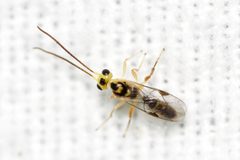
5Perilissini is a tribe of ichneumonid wasps within the Ichneumonidae. These are , developing within or upon organisms. The tribe contains multiple distributed across various regions. Members are generally small to medium-sized ichneumonids with specific morphological characteristics distinguishing them from related tribes.


Pronunciation
How to pronounce Perilissini: //ˌpɛrɪˈlɪsɪˌnaɪ//
These audio files are automatically generated. While they are not always 100% accurate, they are a good starting point.
Identification
Perilissini can be distinguished from other ichneumonid tribes by features of the propodeum and fore wing venation. The tribe is characterized by having the areolet (a in the fore wing) present or reduced, and specific arrangements of propodeal carinae. Detailed identification requires examination of microscopic features and is best accomplished using specialized taxonomic keys for Ichneumonidae.
Images
Habitat
Members of Perilissini occupy diverse terrestrial where their occur, including forests, grasslands, and shrublands. Specific habitat preferences vary by and .
Distribution
The tribe has a wide distribution with records from multiple continents including North America, Europe, and Asia. Distribution patterns differ among constituent .
Ecological Role
As , members of Perilissini contribute to of their , which are primarily other insects. They function as agents within their .
Human Relevance
Some may contribute to natural of pest insects, though specific applications have not been widely documented.
Similar Taxa
- Other Ichneumonidae tribesDifferentiated by wing venation patterns, particularly the structure of the areolet, and propodeal
More Details
Taxonomic Status
Perilissini is a well-established tribe within Ichneumonidae, though the number and composition of included has been subject to revision. Modern molecular and morphological studies continue to refine tribal boundaries.
Research Status
The tribe is relatively understudied compared to some other ichneumonid groups, with many remaining undescribed or poorly known biologically.