Mesostenina
Genus Guides
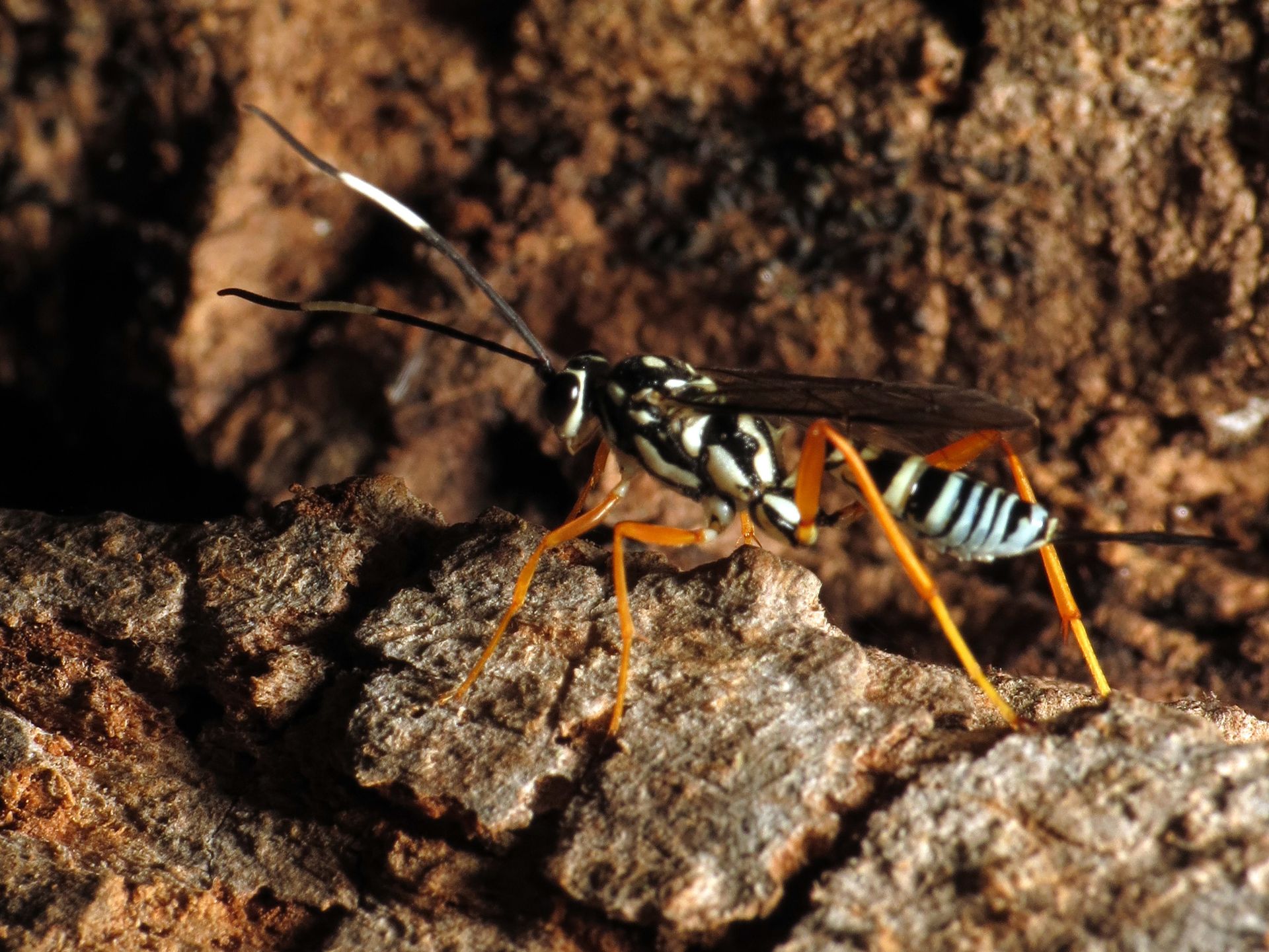
3Mesostenina is a subtribe of within the Ichneumonidae, Mesosteninae. Members are koinobiont endoparasitoids that develop within living . The subtribe contains characterized by specific morphological features of the mesosternum and associated . These wasps are primarily associated with lepidopteran hosts, though host ranges vary among included genera.
Pronunciation
How to pronounce Mesostenina: //ˌmɛsəʊˈstɛnaɪnə//
These audio files are automatically generated. While they are not always 100% accurate, they are a good starting point.
Images
Distribution
Mesostenina has a worldwide distribution, with records from multiple continents including North America, Europe, Asia, and Australia. Specific distributional patterns of constituent vary by .
Host Associations
- Lepidoptera - Primary group for Mesostenina; larvae develop as endoparasitoids within caterpillars
Life Cycle
Koinobiont development: are laid into living , and larvae develop internally while allowing the host to continue feeding and growing. occurs after host death, often within the host remains or in the surrounding substrate.
Ecological Role
Mesostenina contributes to of Lepidoptera, particularly in forest and agricultural . As koinobiont , they exert -dependent control on caterpillar .
Human Relevance
Some within Mesostenina have been evaluated for of pest Lepidoptera, though specific applications are limited by the specialized associations typical of many .
Similar Taxa
- other subtribes of MesosteninaeMesostenina is distinguished from related subtribes primarily by mesosternal , including the structure of the mesosternal carinae and associated ; precise identification requires examination of these characters.
More Details
Taxonomic Note
The subtribal classification within Mesosteninae has undergone revision; Mesostenina as currently defined includes previously placed in broader tribal concepts. The subtribe is characterized by synapomorphies of the mesosternal region.