Polycyrtus
Spinola, 1840
Species Guides
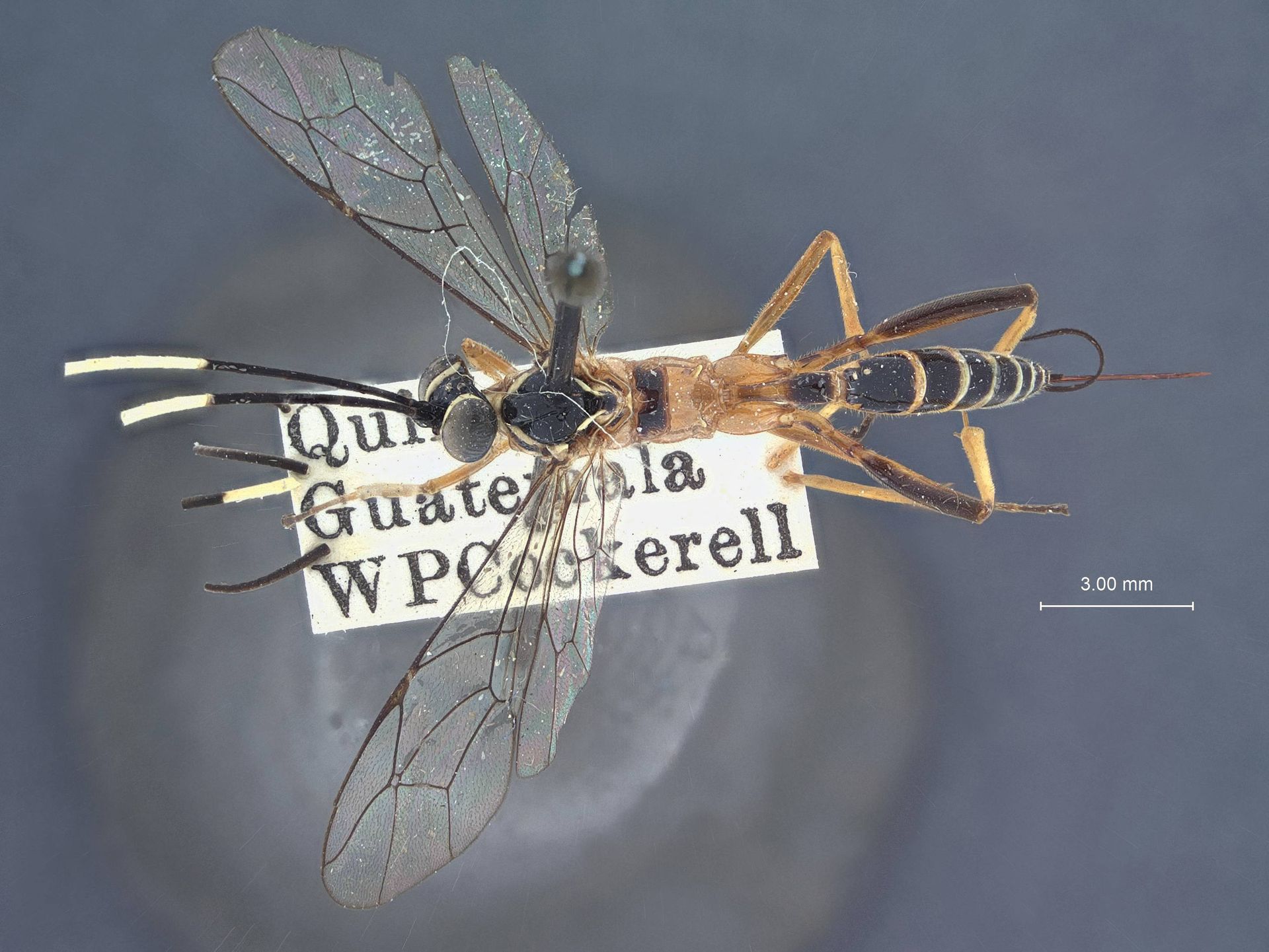
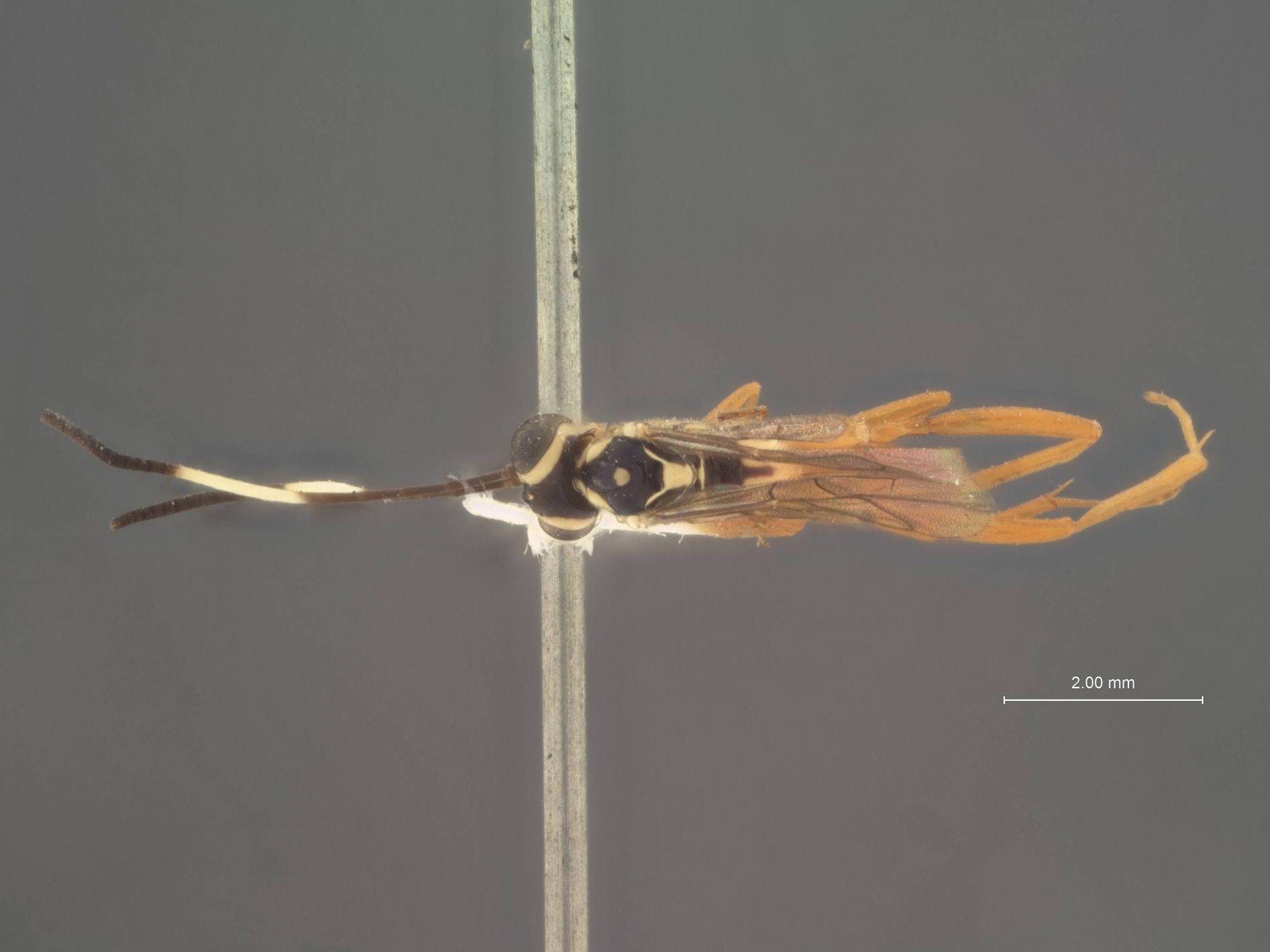
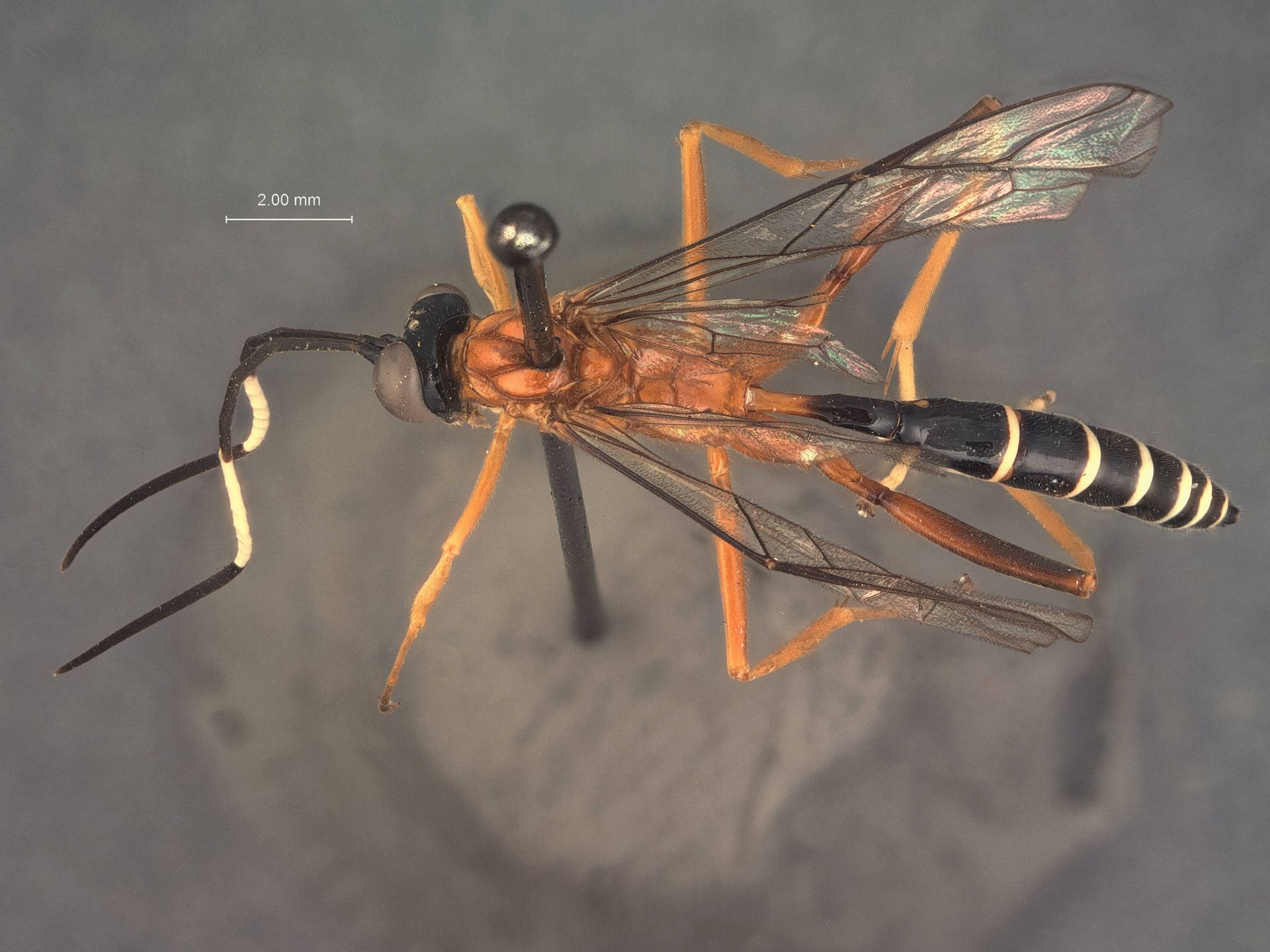
1Polycyrtus is a of ichneumon wasps in the Cryptinae, established by Spinola in 1840. The genus comprises more than 160 distributed throughout the Americas. As members of Ichneumonidae, these are , though specific associations for most species remain poorly documented. The genus is morphologically diverse, with species varying in size, coloration, and structural features.
Pronunciation
How to pronounce Polycyrtus: //ˌpɒlɪˈsɜːrtəs//
These audio files are automatically generated. While they are not always 100% accurate, they are a good starting point.
Identification
Polycyrtus can be recognized as cryptine ichneumonids, but definitive -level identification requires examination of detailed morphological characters including wing venation, structure, and abdominal . The genus is distinguished from related cryptine genera through combinations of features in the propodeum, hind wing venation, and ovipositor structure. Species-level identification is challenging and typically requires taxonomic expertise; published keys exist for regional faunas but comprehensive global treatment is lacking.
Images
Distribution
Found throughout the Americas, from North America to South America. The shows broad geographic distribution across diverse biomes including temperate, subtropical, and tropical regions.
Ecological Role
As members of the Ichneumonidae, Polycyrtus function as , contributing to the regulation of insect . Specific host records are sparse, but cryptine ichneumonids typically attack concealed Lepidoptera larvae or pupae, and some may parasitize other holometabolous insects. Their ecological impact is likely significant given the and broad distribution, though quantitative studies are lacking.
Human Relevance
No direct economic importance to humans. Like most ichneumonid wasps, they are not known to sting humans and have no agricultural or medical significance. They may contribute to of pest insects in natural and managed , but this potential has not been systematically evaluated.
Similar Taxa
- Other Cryptinae generaPolycyrtus shares the general cryptine body plan with numerous related . Differentiation requires detailed examination of wing venation, abdominal structure, and other subtle morphological characters.
More Details
Taxonomic history
The was established by Maximilian Spinola in 1840. The large number of (160+) suggests either genuine diversification or potential for future taxonomic revision as phylogenetic relationships are clarified.
Research gaps
Basic of Polycyrtus is poorly known. associations, preferences, and seasonal activity patterns are documented for only a small fraction of species.