
Charops annulipes
Ashmead, 1890
Charops annulipes is a of ichneumon in the Ichneumonidae, described by Ashmead in 1890. The Charops comprises wasps that attack Lepidoptera larvae. Species in this genus are characterized by their distinctive wing venation and leg coloration patterns. C. annulipes is part of a large and taxonomically complex family of parasitoid wasps with thousands of described species worldwide.
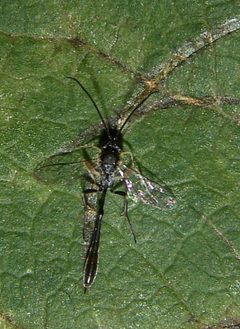
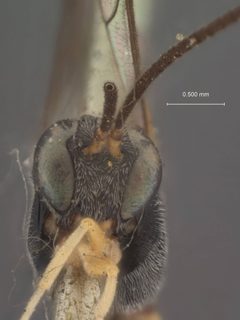
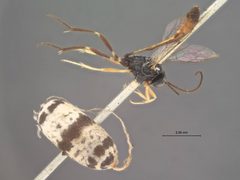
Pronunciation
How to pronounce Charops annulipes: /ˈkæɹɒps əˈnjuːlɪpiːz/
These audio files are automatically generated. While they are not always 100% accurate, they are a good starting point.
Identification
Charops annulipes can be distinguished from other Charops by its banded leg coloration, referenced in the specific epithet. The Charops is separated from related ichneumonid genera by wing venation characters, particularly the shape and reduction of the areolet (a small in the forewing). Identification to species level requires examination of leg coloration patterns and detailed wing venation. Similar species in the genus may lack the distinct leg banding or show different patterns of wing cell reduction.
Images
Habitat
supporting of Lepidoptera larvae, which serve as . This includes forested areas, agricultural landscapes, and other environments where host caterpillars are abundant. Specific microhabitat preferences are not well documented for this .
Distribution
Distribution records are limited in the provided sources. The has been documented in North America based on museum collections and iNaturalist observations. The Charops has broad distribution across multiple continents, but specific range boundaries for C. annulipes require further documentation.
Seasonality
activity patterns are not specifically documented for this . As a of Lepidoptera larvae, activity likely coincides with availability of caterpillars, which varies by region and host species.
Life Cycle
As with other Charops , C. annulipes is an endoparasitoid or ectoparasitoid of Lepidoptera larvae. Females locate caterpillars and deposit , with larvae developing inside or on the host. The details specific to this species have not been documented in the available sources.
Behavior
Females engage in -searching to locate suitable Lepidoptera larvae for oviposition. Males likely engage in mate-location behaviors typical of ichneumonid wasps, though specific behaviors for this are undocumented.
Ecological Role
of Lepidoptera larvae, contributing to natural regulation of caterpillar . This trophic role places C. annulipes as a mortality factor in involving herbivorous Lepidoptera.
Human Relevance
Potential agent for pest Lepidoptera, though specific applications for C. annulipes have not been documented. The Ichneumonidae broadly includes many used or studied for biological control.
Similar Taxa
- Other Charops speciesShare similar body form and wing venation patterns; distinguished by leg coloration and minor wing details
- Related ichneumonid genera in same subfamilySimilar lifestyle and general ; distinguished by specific wing venation characters of the areolet
More Details
Taxonomic placement
Charops annulipes was described by William H. Ashmead in 1890. The Charops is placed in the Ichneumonidae, one of the largest families of organisms with over 25,000 described . The of Charops and related genera has been subject to revision, with some species historically placed in related genera such as Casinaria.
Collection records
The is represented in entomological collections, with 573 observations recorded on iNaturalist as of the source date. Museum specimens provide important voucher material for this and related species.