
Meniscomorpha michiganensis
(Davis, 1894)
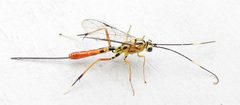
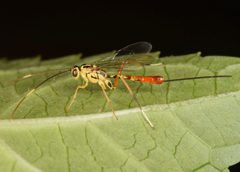
Meniscomorpha michiganensis is a of ichneumon in the Ichneumonidae, first described by Davis in 1894. The species is known from a limited number of observations and appears to be rarely collected. Like other members of its family, it is presumed to be a , though specific associations remain undocumented. The specific epithet refers to Michigan, suggesting the type locality or primary known range.
Pronunciation
How to pronounce Meniscomorpha michiganensis: //ˌmɛnɪskoʊˈmɔrfə ˌmɪʃɪɡəˈnɛnsɪs//
These audio files are automatically generated. While they are not always 100% accurate, they are a good starting point.
Identification
Distinguished from other Meniscomorpha by the specific epithet and original description by Davis (1894). The Meniscomorpha is characterized by distinctive wing venation and body proportions within the Ichneumonidae, though species-level diagnostic features require examination of and original taxonomic literature.
Images
Distribution
Known from Michigan, USA, based on the specific epithet and original description. Additional records are sparse, with only 7 observations documented on iNaturalist as of the data cutoff.
Ecological Role
Presumed based on -level characteristics of Ichneumonidae, though direct evidence for this is lacking. Ichneumonid wasps generally function as agents of other insects.
Similar Taxa
- Other Meniscomorpha speciesCongeneric share the same -level morphological features and require detailed examination of and original descriptions for reliable differentiation.
More Details
Taxonomic Note
The Meniscomorpha is a small and poorly studied group within Ichneumonidae. -level relies heavily on original descriptions, and modern revisionary work may be needed to clarify species boundaries and distributions.
Data Limitations
This is represented by only 7 iNaturalist observations and lacks published ecological studies. Most biological information remains unknown and should not be inferred from higher without explicit justification.