
Lasioglossum truncatum
(Robertson, 1901)
Truncate Sweat Bee
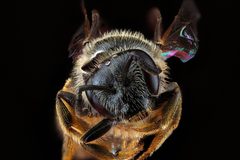
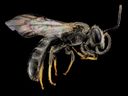
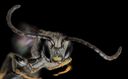
Lasioglossum truncatum is a of sweat bee in the Halictidae, one of over 1,700 species in the Lasioglossum. Like other members of this large genus, it is a ground-nesting solitary . The species occurs in North America and has been documented in Vermont and other regions. As with many Lasioglossum species, detailed natural history information specific to L. truncatum is limited, though it shares general ecological traits with its .
Pronunciation
How to pronounce Lasioglossum truncatum: /ˌlæsiˈoʊɡlɑsəm trʌŋˈkeɪtəm/
These audio files are automatically generated. While they are not always 100% accurate, they are a good starting point.
Identification
Lasioglossum truncatum is distinguished from other sweat bees by subtle morphological features, particularly the truncated or shortened appearance of certain body structures that give the its name. As a member of the subgenus Dialictus (if applicable) or related groupings within Lasioglossum, it is small-bodied with typical halictid features: short tongue, compact form, and often metallic or dull coloration. Precise identification requires examination of microscopic characters such as facial foveae, wing venation, and male genitalia. It is easily confused with other small Lasioglossum species, which often require expert taxonomic analysis to separate.
Images
Habitat
Ground-nesting in soil, typical of the . Likely occupies open, sunny areas with suitable soil substrate for burrow excavation.
Distribution
North America; specifically documented in Vermont, United States. GBIF records indicate presence in North America broadly, with confirmed occurrence in Vermont.
Life Cycle
Solitary ground-nesting typical of Halictidae. Females excavate individual burrows in soil, provision with pollen and nectar, and lay . No evidence of social or in this .
Ecological Role
As a member of the most -rich , contributes to pollination services in its . Likely visits diverse flowering plants for nectar and pollen collection.
Similar Taxa
- Lasioglossum (Dialictus) speciesNumerous small, morphologically similar sweat bees in the same require microscopic examination for separation; many are frequently misidentified or grouped as 'Lasioglossum sp.' in field surveys.
- Other Halictidae genera (Halictus, Agapostemon)Similar size and general appearance, but differ in coloration patterns, body proportions, and nesting habits; Halictus often have banded , Agapostemon are frequently metallic green.
Sources and further reading
- BugGuide
- GBIF taxonomy match
- iNaturalist taxon
- NCBI Taxonomy
- Catalogue of Life
- Just inTime for Pollinator Week | Bug Squad
- Bug Eric: Don't Sweat 'em
- Back-Seat Driver: The Parasite That Makes Bees Drop Off Its Babies
- Building a Better Bee Trap: Researchers Say Bee Bowls Are Overused
- Bug Eric: White Prairie Clover: An Awesome Blossom
- Not-so Solitary Bees - Buglife Blog - Buglife