Lasioglossum perpunctatum
(Ellis, 1913)
Densely Punctured Sweat Bee
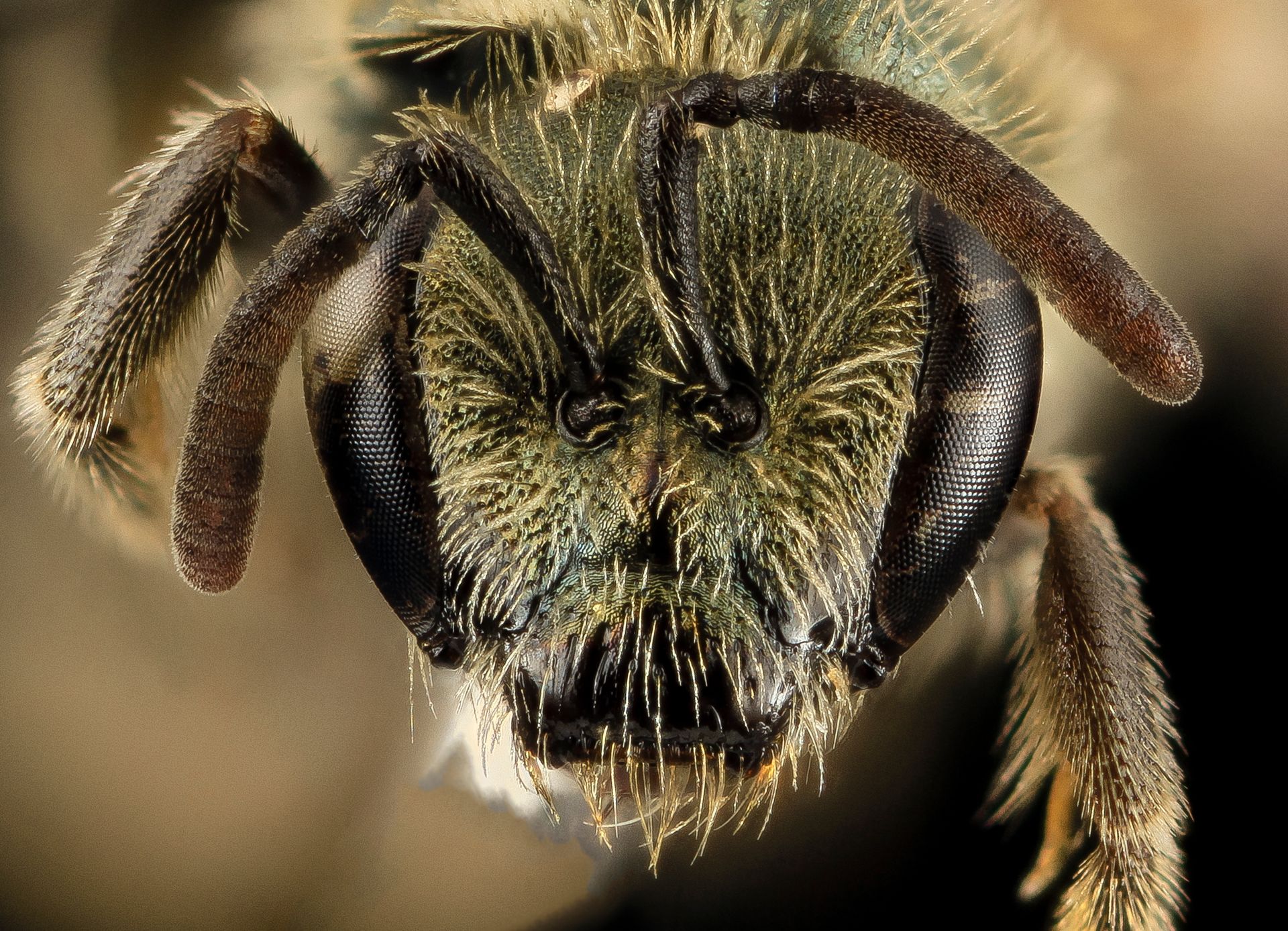
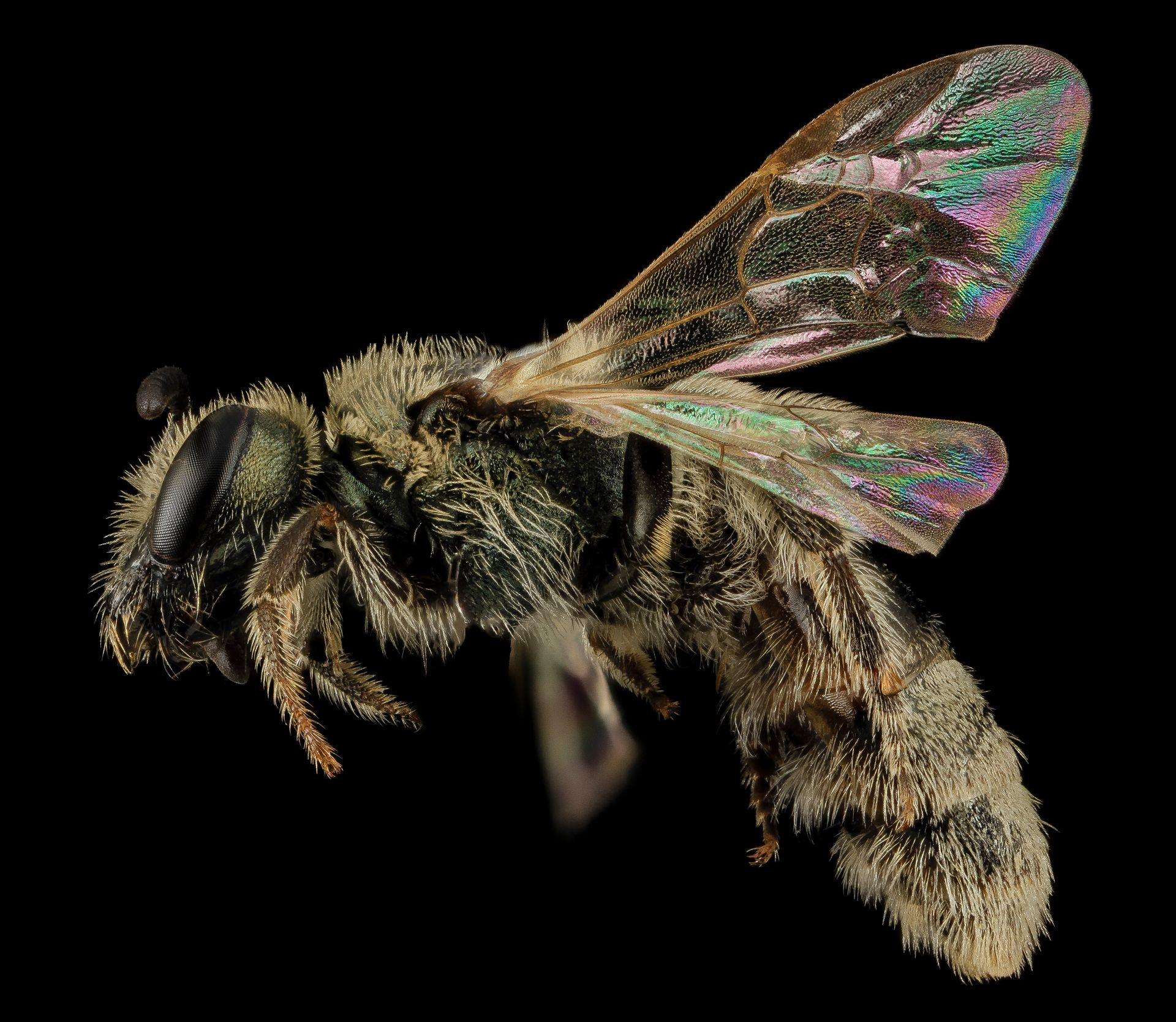
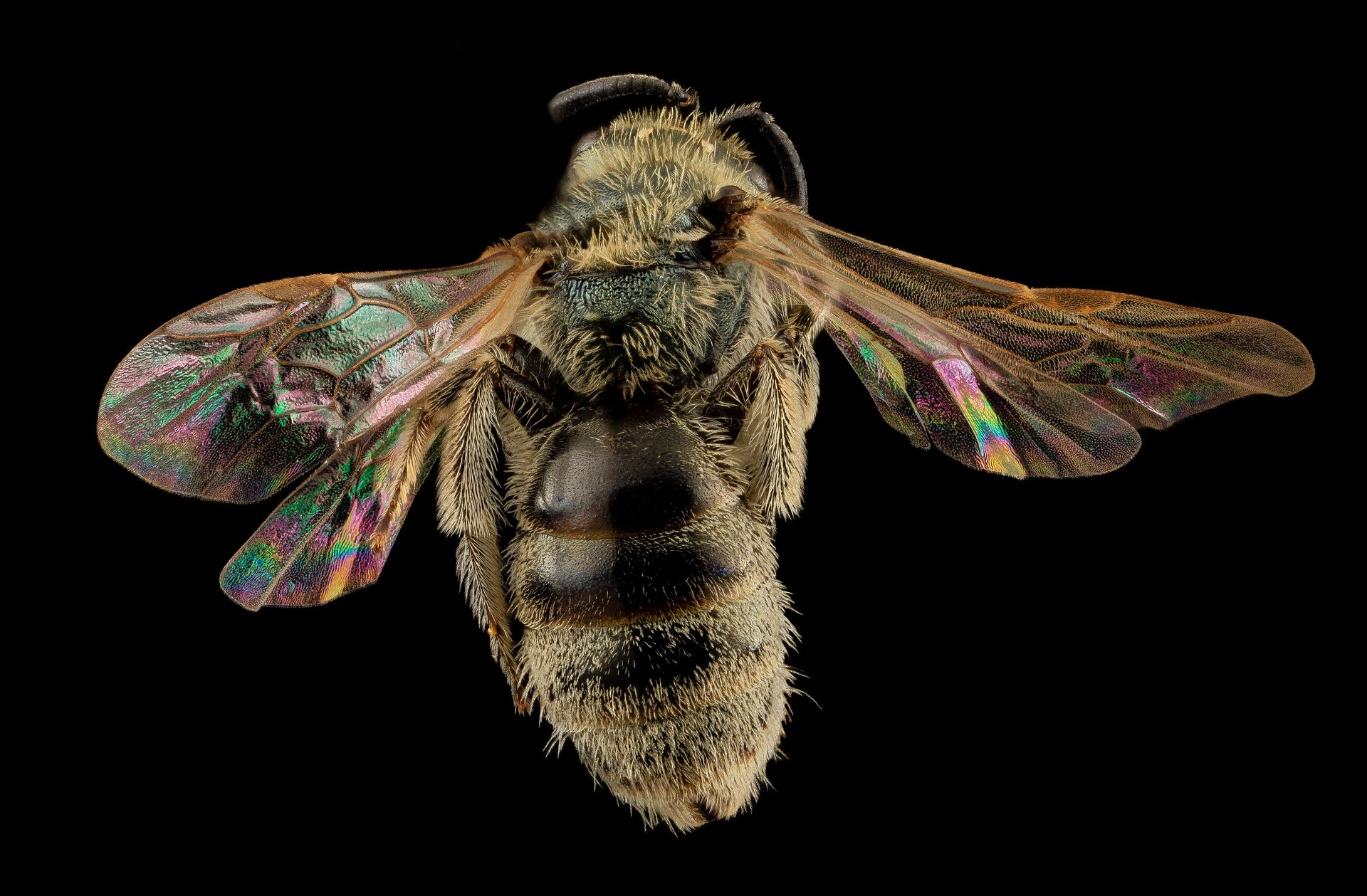
Lasioglossum perpunctatum is a metallic sweat bee in the subgenus Dialictus, one of the most diverse and commonly collected groups in North America. The was originally described by Ellis in 1913 and has undergone taxonomic revision, with two former species (D. highlandicus and D. junaluskensis) now synonymized with it. Like other Dialictus, it exhibits varied social systems ranging from solitary to eusocial. As a member of the largest bee , it contributes to pollination services in its native range.
Pronunciation
How to pronounce Lasioglossum perpunctatum: //ˌlæsi.oʊˈɡlɑsəm pɜr.pʌŋkˈteɪtəm//
These audio files are automatically generated. While they are not always 100% accurate, they are a good starting point.
Identification
Distinguished from similar metallic Lasioglossum (Dialictus) by dense punctation pattern and specific morphological characters detailed in taxonomic keys. The species was historically confused with D. highlandicus and D. junaluskensis, now synonymized. Identification to species level in this group requires examination of microscopic characters including punctation , genitalia in males, and facial markings. Reference to Gibbs (2010) revision of Canadian metallic Dialictus provides complete species description with illustrations.
Images
Appearance
Metallic coloration typical of the Dialictus subgenus. Dense punctation covering the , reflected in the name 'perpunctatum' (densely punctured). Small to medium-sized with short tongue adapted for lapping sweat and accessing floral rewards.
Distribution
North America; recorded from Vermont, USA. Range extends across Canada based on inclusion in national revision. Specific associations not documented in available sources.
Diet
pollen and nectar forager. As with other Lasioglossum , has been observed visiting flowers for nectar and pollen collection, though specific floral associations for this species are not documented.
Life Cycle
Ground-nesting , typical of Halictidae. Females excavate individual burrows in soil. Social system not specifically documented for this species, but exhibit range from solitary to eusocial with small .
Behavior
Females forage for pollen and nectar to provision nest . Males frequently observed at flowers, potentially seeking nectar and mating opportunities with foraging females. Like other sweat bees, attracted to human perspiration for salt and mineral acquisition.
Ecological Role
. Contributes to wild pollination services in native . As member of hyperdiverse Dialictus subgenus, part of functional pollinator diversity in temperate North American .
Human Relevance
Minor of potential agricultural and native plant significance. Attracted to human sweat, causing minor nuisance but poses minimal sting risk (females can sting if provoked, males harmless).
Similar Taxa
- Lasioglossum versatumHistorical misidentification common in Dialictus; both metallic with dense punctation, requiring microscopic examination to separate
- Lasioglossum laevissimumFormerly included multiple cryptic now separated; similar size and metallic coloration
- Lasioglossum (Dialictus) speciesSubgenus contains 84+ metallic in Canada alone, many requiring expert identification based on subtle morphological differences
More Details
Taxonomic History
L. perpunctatum had two junior synonyms (D. highlandicus and D. junaluskensis) synonymized by Gibbs (2010), reflecting historical difficulties in Dialictus boundaries
Research Significance
exemplifies challenges in halictid where even sometimes do not correspond to name-bearing types, necessitating careful revisionary work
Sources and further reading
- BugGuide
- GBIF taxonomy match
- iNaturalist taxon
- NCBI Taxonomy
- Catalogue of Life
- Just inTime for Pollinator Week | Bug Squad
- Bug Eric: Don't Sweat 'em
- Back-Seat Driver: The Parasite That Makes Bees Drop Off Its Babies
- Building a Better Bee Trap: Researchers Say Bee Bowls Are Overused
- Bug Eric: White Prairie Clover: An Awesome Blossom
- Not-so Solitary Bees - Buglife Blog - Buglife
- Revision of the metallic species of Lasioglossum (Dialictus) in Canada (Hymenoptera, Halictidae, Halictini)