Lasioglossum cressonii
(Robertson, 1890)
Cresson's Sweat Bee
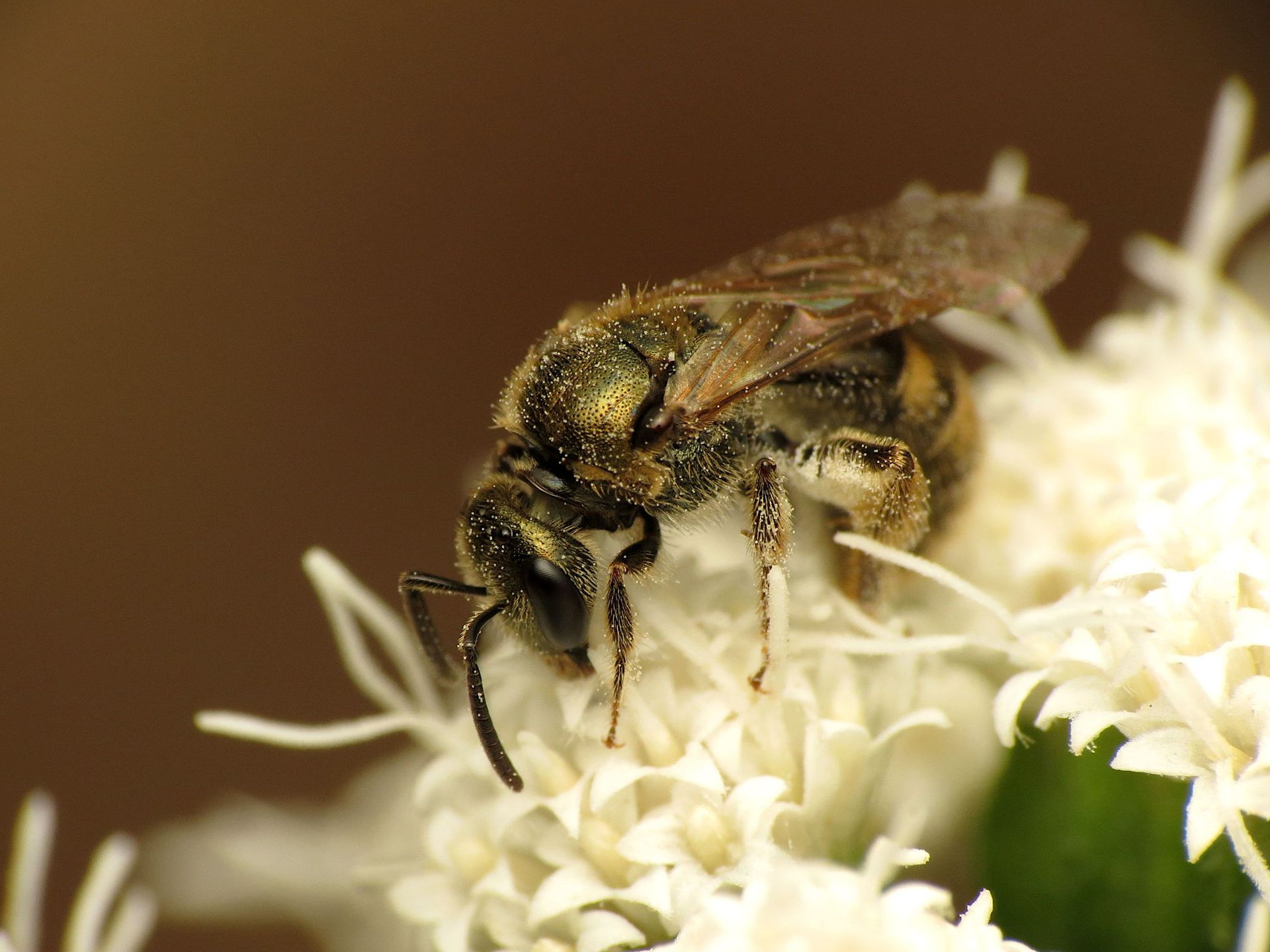
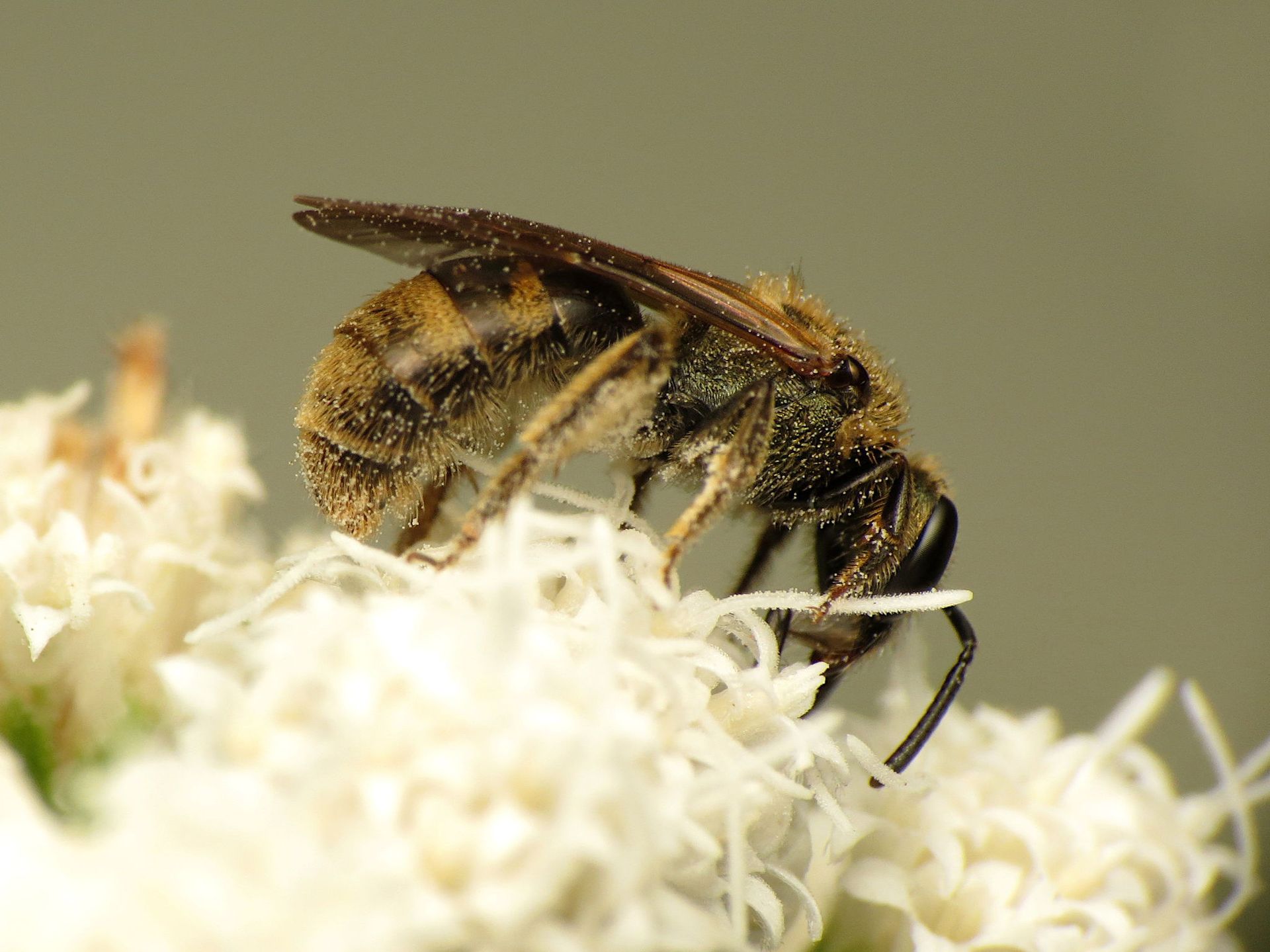
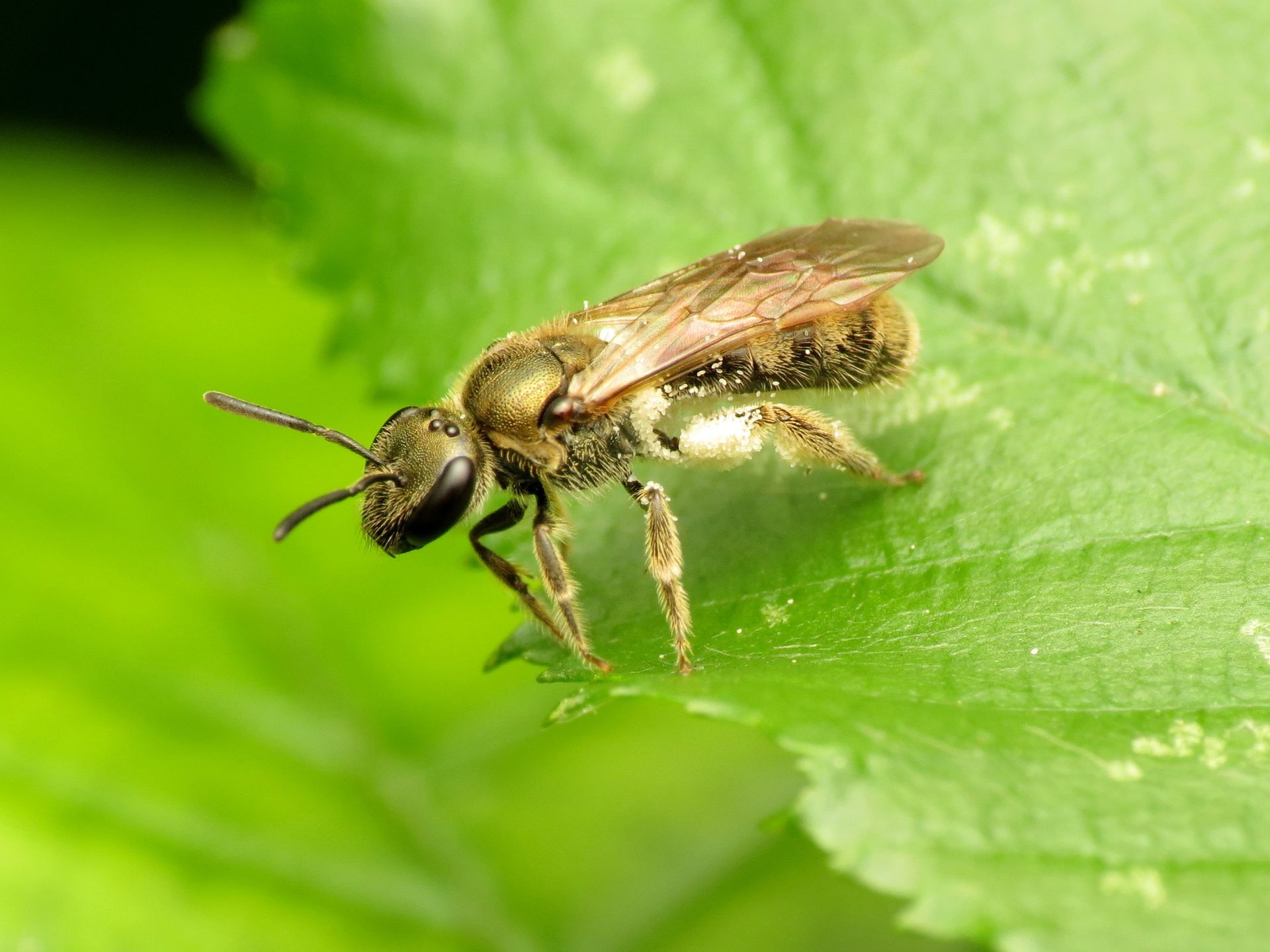
Lasioglossum cressonii is a small, metallic sweat bee native to North America. The exhibits eusocial colony organization with queens, , and reproductive . It is an important of native plants and agricultural crops, including apple trees. First described by Charles Robertson in 1890, this nests primarily in soil or wood in low-elevation areas.
Pronunciation
How to pronounce Lasioglossum cressonii: /ˌlæsi.oʊˈɡlɒsəm ˈkrɛsoʊnaɪ/
These audio files are automatically generated. While they are not always 100% accurate, they are a good starting point.
Identification
Females: look for brassy green metallic and , coarse dense punctures on mesoscutum between parapsidal lines, and nearly impunctate . Males: look for dark olive green to blue-tinged coloration, non-obscuring clypeal hairs, and mesoscutal punctures. Distinguished from similar Dialictus by specific punctation patterns and color tones.
Images
Habitat
Nests in soil or wood, typically in low-elevation areas. Found in diverse including apple orchards, prairie areas, and open landscapes with suitable nesting substrates.
Distribution
North America: Nova Scotia west to British Columbia, south to Georgia and west to Colorado. Documented in Maine, Massachusetts, Connecticut, Illinois, Maryland, Montana, Washington, New York, and Vermont.
Seasonality
Active during growing season; nests founded by in spring. Colony cycle includes foundress phase, phase (one to three ), and reproductive phase.
Diet
. Uses nectar and pollen for provisioning. Documented visiting: Apocynum, Azalea, Barbarea, Berteroa, Brassica, Chrysanthemum, Cirsium, Claytonia, Daucus, Evonymus, Fagopyrum, Geranium, Houstonia, Hydrangea, Ilex, Melilotus, Pedicularis, Potentilla, Rubus, Salvia, Solidago, Taraxacum, Vagnera, Viburnum, Alisma, Amelanchier, Cacalia, Capsella, Chaerophyllum, Crataegus, Cryptotaenia, Hypoxis, Isopyrum, Ludwigia, Prunus, Ptelea, Ranunculus, Rhus, Ribes, Salix, Sassafras, Symphoricarpos, Verbascum, Viola, Zanthoxylum, Amorpha, Philadelphus, Pyrus malus (apple), Rhododendron, and Vaccinium.
Life Cycle
Eusocial with colony cycle. found nests alone or in groups. First female-biased produces . stops foraging after first brood . Workers provision for subsequent broods (one to three). Final reproductive brood male-biased produces new gynes that mate and overwinter.
Behavior
Queens regulate sex ratios and daughter body sizes, possibly through pollen allocation. allocate pollen and nectar to nest . Males seek mating opportunities at flowers.
Ecological Role
Important of native North American plants and agricultural crops. Documented as significant pollinator of apple trees in New York orchards. Contributes to plant reproductive success in diverse .
Human Relevance
Valuable crop , particularly for apple production. Benefits from selective logging that increases sunlight and floral diversity. Sometimes attracted to human sweat for salts and minerals.
Similar Taxa
- Lasioglossum (Dialictus) speciesMany metallic Dialictus are morphologically similar; L. cressonii distinguished by specific punctation and coloration patterns described above.
- Other HalictidaeDistinguished by combination of metallic coloration, size, and specific facial and mesoscutal punctation characteristics.
Sources and further reading
- BugGuide
- Wikipedia
- GBIF taxonomy match
- iNaturalist taxon
- NCBI Taxonomy
- Catalogue of Life
- Just inTime for Pollinator Week | Bug Squad
- Bug Eric: Don't Sweat 'em
- Back-Seat Driver: The Parasite That Makes Bees Drop Off Its Babies
- Building a Better Bee Trap: Researchers Say Bee Bowls Are Overused
- Bug Eric: White Prairie Clover: An Awesome Blossom
- Not-so Solitary Bees - Buglife Blog - Buglife
- Revision of the metallic species of Lasioglossum (Dialictus) in Canada (Hymenoptera, Halictidae, Halictini)