
Pogonomyrmecini
Ward et al., 2015
Genus Guides
1- Pogonomyrmex(Typical American Harvester Ants)
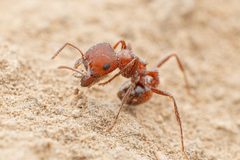
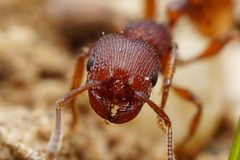
Pogonomyrmecini is a tribe of myrmicine ants established in 2015, containing three extant : Pogonomyrmex, Hylomyrma, and Patagonomyrmex. The tribe was erected following phylogenetic revision of the Myrmicinae. Members include the well-known harvester ants (Pogonomyrmex), which are conspicuous seed-collecting ants in arid regions of the Americas. The tribe represents a relatively recent taxonomic reorganization based on molecular and morphological evidence.

Pronunciation
How to pronounce Pogonomyrmecini: //ˌpoʊɡoʊnoʊˈmɜːrmɪˌsaɪni//
These audio files are automatically generated. While they are not always 100% accurate, they are a good starting point.
Identification
Tribal-level identification requires examination of mandibular structure, sting apparatus, and other internal morphological characters used in myrmicine . The constituent are distinguished by: Pogonomyrmex (psammophore present, large body size, often with distinctive coloration); Hylomyrma (smaller, forest-dwelling, reduced psammophore); Patagonomyrmex (Patagonian distribution, morphologically intermediate). Separation from related myrmicine tribes (particularly Attini and Myrmicini) relies on molecular phylogenetic data and subtle mandibular and clypeal characters.
Images
Habitat
vary by : Pogonomyrmex occupy arid and semi-arid grasslands, deserts, and open woodlands; Hylomyrma species are found in Neotropical forest litter; Patagonomyrmex is restricted to steppe and shrubland habitats in Patagonia. The tribe as a whole spans a broad environmental range from tropical forests to temperate deserts.
Distribution
New World distribution. Pogonomyrmex ranges from southern Canada through the Americas to Argentina. Hylomyrma occurs in Central and South America. Patagonomyrmex is to southern Argentina and Chile. The tribe is absent from the Old World.
Ecological Role
Pogonomyrmex function as significant seed and dispersers in arid , influencing plant composition through and seed caching. Their nest mounds modify soil properties and create microhabitats for other organisms. The ecological roles of Hylomyrma and Patagonomyrmex have been less studied but are presumed to involve general and scavenging in their respective .
Human Relevance
Pogonomyrmex harvester ants are notable for their painful stings, which have been rated among the most painful of any insect. Several are economically significant as pests of rangeland and crops through seed consumption. They are also studied extensively for their thermoregulatory , foraging , and venom biochemistry. The tribe has no other documented human interactions.
Similar Taxa
- AttiniBoth are myrmicine tribes with New World distributions and include conspicuous, ecologically important . Attini contains the leafcutter ants (Atta, Acromyrmex) and fungus-growing ants, distinguished by their obligate fungal absent in Pogonomyrmecini.
- MyrmiciniHistorically, some Pogonomyrmex were classified within broader myrmicine groupings. Myrmicini includes Myrmica and related , distinguished by different mandibular , lack of psammophore, and primarily Holarctic distribution.
More Details
Taxonomic history
Pogonomyrmecini was established by Ward et al. (2015) based on comprehensive phylogenetic analysis of Myrmicinae. The tribe represents elevation of the former Pogonomyrmex group to tribal status. Patagonomyrmex was described subsequently (Johnson & Moreau, 2016) to accommodate previously placed in Pogonomyrmex that formed a distinct clade.
Venom characteristics
Pogonomyrmex venom contains potent alkaloids (primarily solenopsin derivatives and unique piperidine compounds) that cause intense pain, vasoconstriction, and localized tissue effects. This venom chemistry differs from the protein-based venoms of many other ants and has been subject to pharmacological study.