Cardiocondyla minutior
Forel, 1899
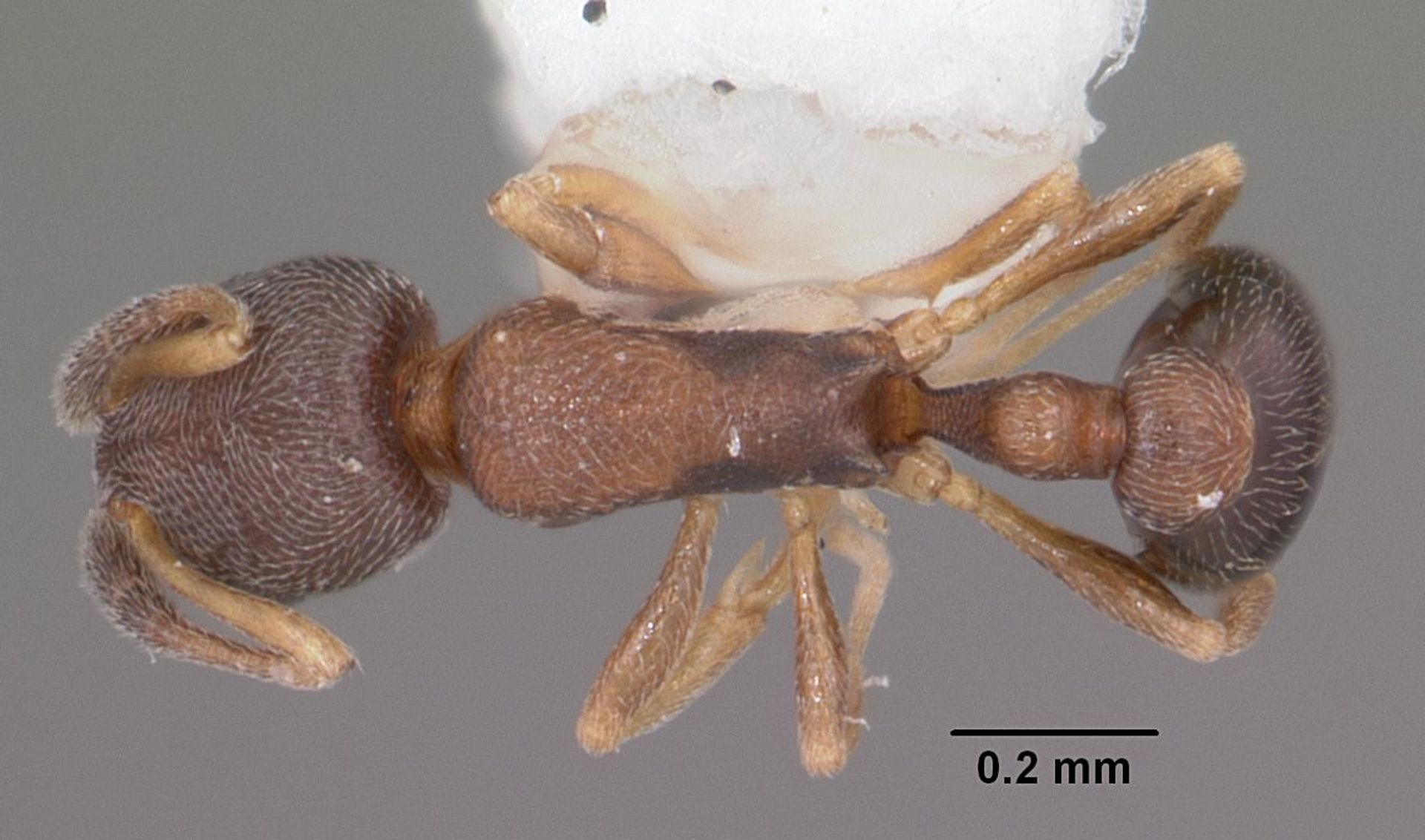
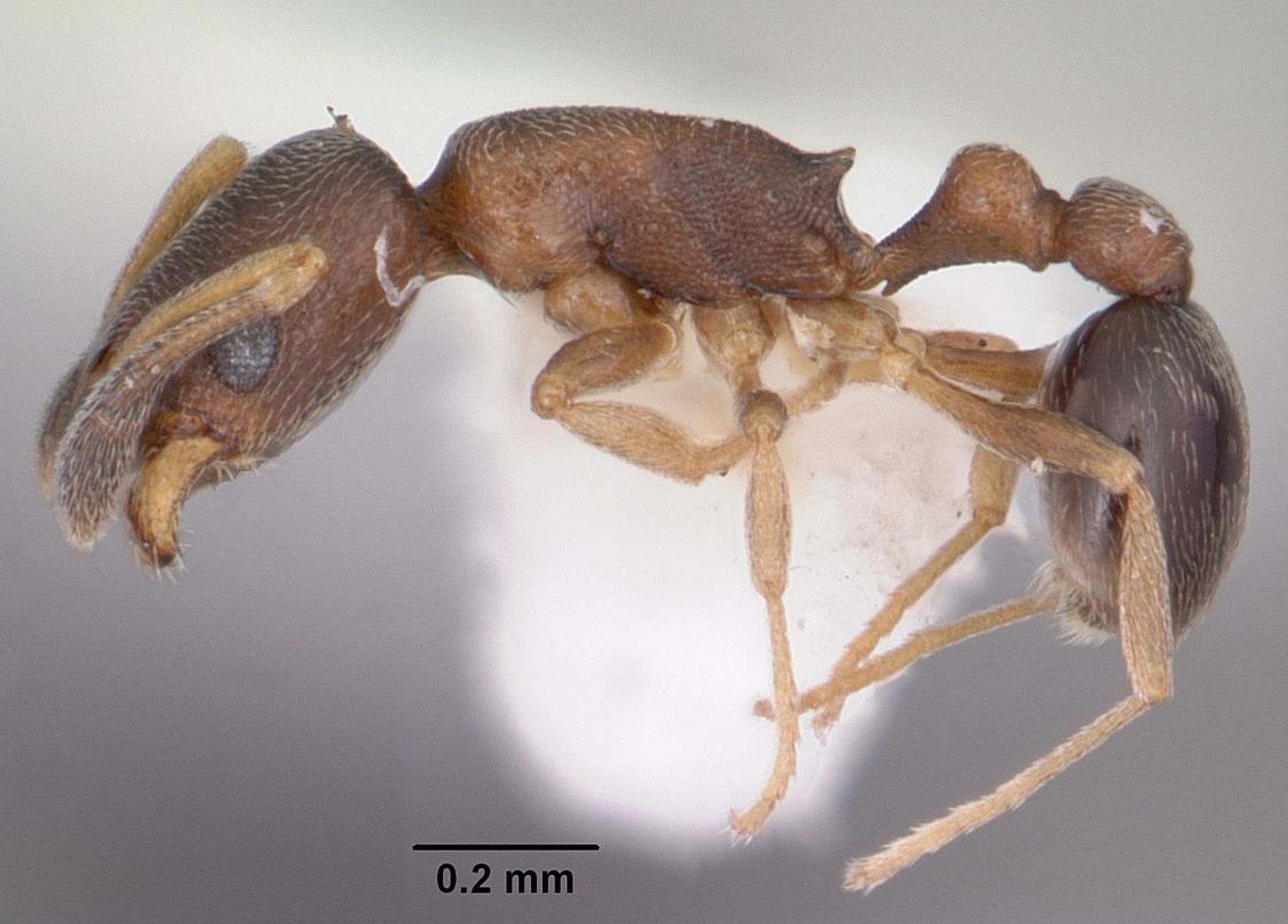
Cardiocondyla minutior is a small in the Myrmicinae, described by Auguste Forel in 1899. It has a remarkably wide distribution spanning multiple continents, including the Americas, Asia, and Oceania, suggesting either human-mediated or exceptional ecological adaptability. The species belongs to a known for diverse male morphologies and reproductive strategies, though specific details for C. minutior remain limited.
Pronunciation
How to pronounce Cardiocondyla minutior: /ˌkɑːrdiˌoʊˈkɒn.dɪ.lə mɪˈnjuː.ti.ɔːr/
These audio files are automatically generated. While they are not always 100% accurate, they are a good starting point.
Images
Distribution
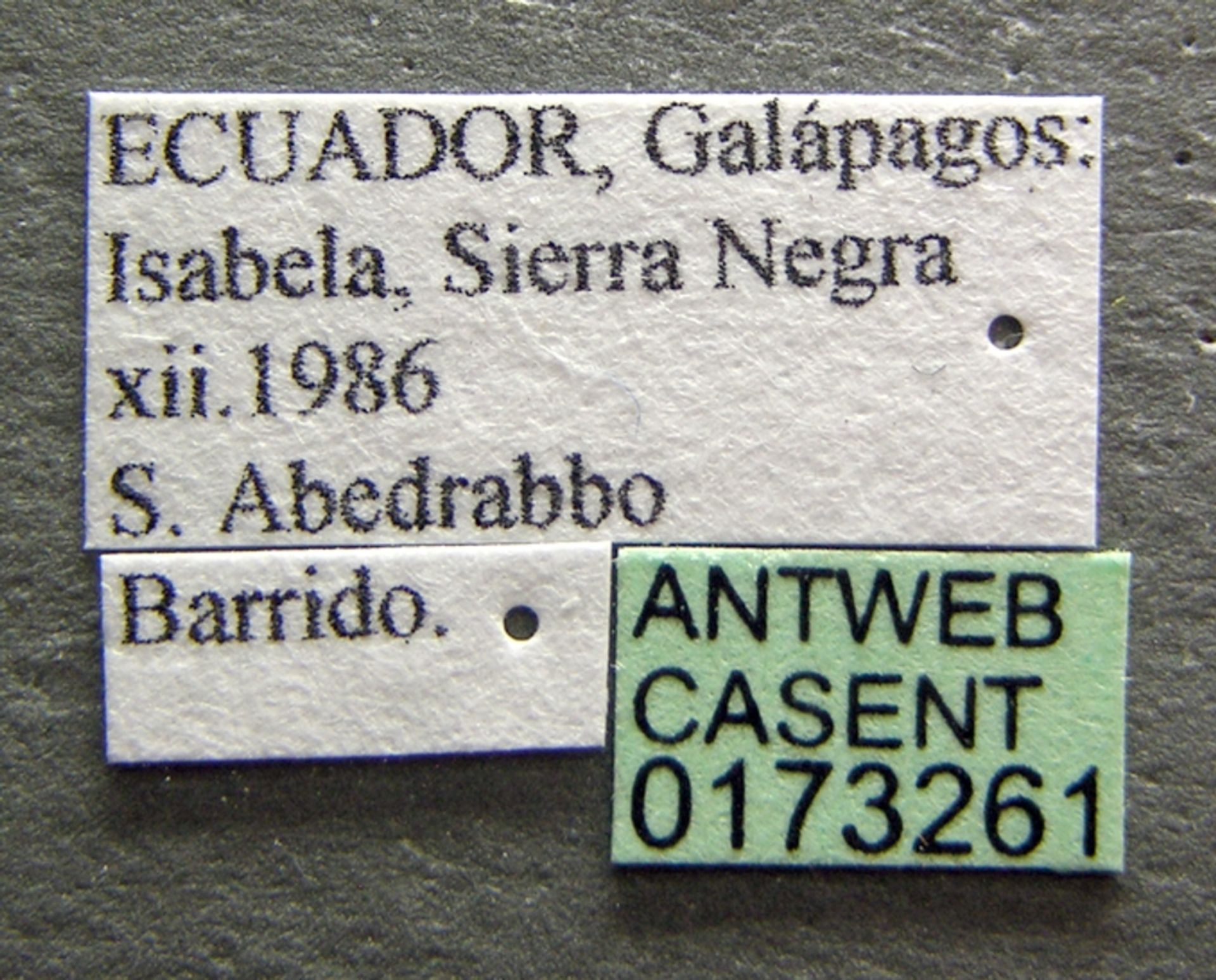
Widely distributed across the Americas (Barbados, Rica, Dominican Republic, Ecuador, Galápagos Islands, Greater Antilles, Guatemala, Honduras, Mexico), Pacific islands (Guam, Hawaii, New Guinea), and Asia (Indonesia, India, Nepal, Sri Lanka, Vietnam, Japan). Also recorded from New Zealand.
More Details
Taxonomic note
The was described by Swiss myrmecologist Auguste Forel in 1899. It is part of the Cardiocondyla, which is notable for its exceptional diversity in male and mating systems, including the presence of both winged and wingless male forms in many species.
Distribution pattern
The extremely broad geographic range, spanning isolated island systems and multiple continents, is unusual for a native distribution. This pattern is consistent with human-mediated transport, a common mechanism for small, adaptable ant in the .