
Diastrophus turgidus
Bassett, 1870
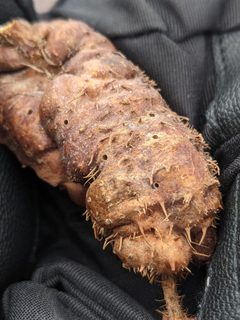
Diastrophus turgidus is a of gall wasp in the Cynipidae, first described by Bassett in 1870. It is known to induce galls on brambles (Rubus species), particularly affecting the stems or fruits of raspberry and blackberry plants. The species is recorded from multiple provinces across central and eastern Canada. Like other members of the Diastrophus, it has a complex involving both sexual and , though specific details for this species remain poorly documented.
Pronunciation
How to pronounce Diastrophus turgidus: //daɪəˈstrɒfəs ˈtɜːrdʒɪdəs//
These audio files are automatically generated. While they are not always 100% accurate, they are a good starting point.
Identification
Diastrophus are distinguished from other cynipid by their association with Rubus and the structure of their galls. D. turgidus specifically forms galls that are described as turgid or swollen in appearance, which aligns with its species epithet. Precise morphological distinction from such as D. nebulosus or D. kincaidii requires examination of specimens, particularly wing venation and antennal segment proportions. The galls of D. turgidus on Rubus stems are reportedly more elongated and less irregular than those of some related species.
Images
Distribution
Recorded from Canada: Manitoba, Ontario, Quebec, and Newfoundland. The distribution appears centered in eastern and central Canada, with no confirmed records from the United States or other regions.
Host Associations
- Rubus - Gall inducerBrambles including raspberry and blackberry; specific tissue affected not well documented
Ecological Role
As a gall inducer, D. turgidus modifies plant tissue development to create protected chambers for larval development. These galls may serve as microhabitats for other organisms, including and , though specific associated fauna for this have not been documented.
Human Relevance
The galls induced by D. turgidus and related can reduce fruit yield in commercial raspberry and blackberry operations. However, the economic impact of this specific species relative to other Rubus-feeding cynipids has not been quantified.
Similar Taxa
- Diastrophus nebulosusAlso induces galls on Rubus ; distinguished by gall and structural details
- Diastrophus kincaidiiAnother Rubus-associated conifer; geographic range and gall characteristics differ
- Rubus gall wasps (other Cynipidae genera) such as Periclistus and Synophromorpha also attack Rubus; differ in gall position (leaf vs. stem) and larval chamber structure
More Details
Taxonomic history
The was described by H.F. Bassett in 1870 based on Canadian specimens. The original description emphasized the swollen (turgid) appearance of the galls. Modern taxonomic revisions of the Diastrophus have retained this species as valid, though comprehensive phylogenetic studies of the genus remain limited.
Research gaps
Despite 369 iNaturalist observations associated with this name, peer-reviewed studies specifically addressing D. turgidus , range, and distribution are scarce. Most biological information is inferred from -level characteristics or studies of .