
Diastrophus
Hartig, 1840
Species Guides
5- Diastrophus cuscutaeformis(blackberry seed gall wasp)
- Diastrophus kincaidii(thimbleberry gallmaker wasp)
- Diastrophus nebulosus(Blackberry Knot Gall Wasp)
- Diastrophus potentillae(cinquefoil bud gall wasp)
- Diastrophus turgidus
Diastrophus is a of gall wasps in the Cynipidae, established by Hartig in 1840. in this genus induce galls primarily on Rubus (blackberry and raspberry) and related Rosaceae . The genus contains at least 23 described species, though some sources report fewer. Several species are economically significant as pests of cultivated berries.
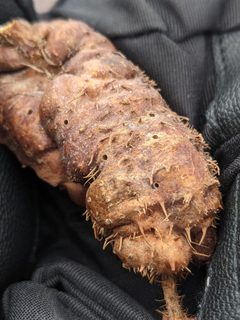
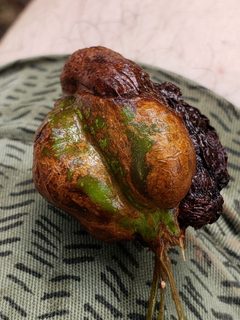
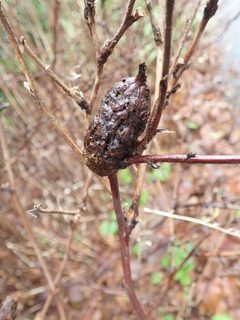
Pronunciation
How to pronounce Diastrophus: //daɪˈæstɹəfəs//
These audio files are automatically generated. While they are not always 100% accurate, they are a good starting point.
Identification
Diastrophus are distinguished from other cynipid gall wasps by their associations with Rubus and related Rosaceae, and by the characteristic of their galls. Species-level identification requires examination of gall structure, location on host plant, and microscopic features of . The is placed in tribe Aylacini, which can be separated from related tribes by morphological characters of the adult mesosoma and metasoma.
Images
Habitat
Found in temperate and subtropical regions where plants in Rubus and related Rosaceae occur. include woodland edges, hedgerows, disturbed ground, and agricultural settings where blackberries and raspberries grow.
Distribution
Recorded from North America, Europe, and Asia, with some in South America (Brazil, Colombia). Specific distribution varies by species. GBIF records indicate presence in Denmark, Norway, Sweden, and the United States (Vermont).
Host Associations
- Rubus - gall inductionPrimary for most ; includes blackberries and raspberries
- Rubus glaucus - gall inductionSpecific for D. colombianus
- Fragaria - gall induction for D. fragariae (strawberry gall wasp)
- Potentilla - gall induction for D. potentillae
Ecological Role
Induces structurally complex galls on plants, altering plant tissue development. The galls provide protected environments for larval development. Effects on host plant vary; some cause significant deformation of fruits or stems.
Human Relevance
Several are agricultural pests. Diastrophus nebulosus (blackberry knot gall wasp) and D. cuscutaeformis (blackberry seed gall wasp) damage cultivated blackberries. D. fragariae affects strawberries. Galls reduce fruit quality and yield in commercial berry production.
Similar Taxa
- Rubus gall wasps in tribe AylaciniOther Aylacini (e.g., Aylax, Isocolus) also induce galls on Rosaceae; separation requires gall and structural characters
- Other Cynipidae on Rubus such as Periclistus may also occur on Rubus; distinguished by gall type and location
More Details
Species diversity
counts vary among sources: iNaturalist reports about 7 described species, while Wikipedia lists at least 23. This discrepancy reflects ongoing taxonomic revision and differing treatments of or synonymy.
Recent species descriptions
Several have been described recently: D. brasiliensis (2025), D. renai and D. wushei (2024), D. colombianus (2013), and D. japonicus (2013), indicating active research on this .