
Diastrophus potentillae
Bassett, 1864
cinquefoil bud gall wasp
Diastrophus potentillae is a gall wasp in the Cynipidae that induces bud galls on cinquefoil plants. The is known from eastern North America, with records from Canada and the northeastern United States. It has been documented on Potentilla canadensis and P. simplex as plants.
Pronunciation
How to pronounce Diastrophus potentillae: //daɪˈæstrəfəs ˌpoʊtɛnˈtɪli//
These audio files are automatically generated. While they are not always 100% accurate, they are a good starting point.
Identification
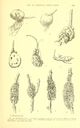
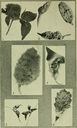
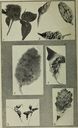
Galls produced by this occur on stems of cinquefoil plants (Potentilla). The specific gall and appearance are not well documented in available sources. Identification to species level requires examination of gall location and plant association combined with microscopic features of the wasp.
Images
Habitat
Associated with cinquefoil plants (Potentilla canadensis and P. simplex) in open, disturbed where these plants occur.
Distribution
Eastern North America. Documented from Canada (New Brunswick, Nova Scotia, Ontario) and the United States (Vermont).
Host Associations
- Potentilla canadensis - gall inductionforms galls on stems
- Potentilla simplex - gall inductionforms galls on stems
Ecological Role
Induces bud galls on cinquefoil plants, potentially affecting plant growth and development. The galls provide and nutrition for developing larvae.
Similar Taxa
- Other Diastrophus speciesMultiple Diastrophus induce galls on different plants; identification requires host association and detailed morphological examination.
- Other Cynipidae gall waspsMany cynipids produce similar stem or bud galls; plant specificity is critical for distinguishing .