
Striatoandricus aciculatus
(Beutenmüller, 1909) Zhang, Sasan, O'Kennon & Kranz, 2022
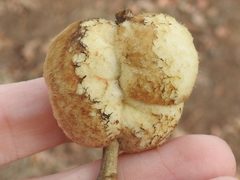
Striatoandricus aciculatus is a of gall wasp in the Cynipidae, recently transferred from the Andricus to Striatoandricus based on phylogenetic and morphological studies. Like other members of its tribe, this species induces galls on oak trees (Quercus spp.) as part of its reproductive cycle. The species was originally described in 1909 and has been documented across multiple observations, indicating established in regions with suitable oak availability.
Pronunciation
How to pronounce Striatoandricus aciculatus: /ˌstraɪətəʊˈandrɪkəs əˌsɪkjʊˈleɪtəs/
These audio files are automatically generated. While they are not always 100% accurate, they are a good starting point.
Images
Habitat
Oak-dominated woodlands and forests where Quercus occur. Specific microhabitat preferences related to gall formation on oak tissues.
Distribution
North America; documented observations span multiple regions where oak are present. Historical records and recent observations suggest established across the eastern and central United States.
Host Associations
- Quercus - gall induction plant for gall formation; specific oak not definitively documented in available sources
Similar Taxa
- Andricus spp.Previously classified in Andricus; distinguished by morphological characters including striated sculpturing patterns that prompted generic reassignment to Striatoandricus
- Other Striatoandricus speciesCongeneric share striated gall wasp characteristics; specific distinguishing features require detailed examination of gall and structure
More Details
Taxonomic history
Originally described as Andricus aciculatus by Beutenmüller in 1909. Transferred to Striatoandricus in 2022 by Zhang, Sasan, O'Kennon & Kranz based on integrated morphological and molecular phylogenetic analysis of oak gall wasps.
Observation data
226 observations documented on iNaturalist as of source date, indicating the is detectable and identifiable by field observers, though specific identification criteria are not detailed in available sources.