
Callirhytis seminator
(Harris, 1841)
Wool Sower, Wool Sower Gall Wasp
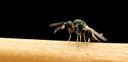
Callirhytis seminator, commonly known as the wool sower, is a gall wasp that induces distinctive cotton-like galls on white oak trees. The exhibits a complex alternating involving two different gall types, though the alternate gall form remains unidentified. are small, dark brown approximately 3 mm in length. The species poses no threat to humans or oak tree health.
Pronunciation
How to pronounce Callirhytis seminator: /ˌkælɪˈraɪtɪs sɪˈmɛnətɔr/
These audio files are automatically generated. While they are not always 100% accurate, they are a good starting point.
Identification
are distinguished by their small size (~3 mm) and dark brown coloration among Cynipidae. The is most reliably identified by its distinctive gall: a round, white, cotton ball-like structure attached to white oak, initially white and changing color with age. When opened, the gall contains seed-like structures of hardened plant material surrounding larval chambers. This gall form differs from other oak galls such as the spongy oak apple galls or horned galls of related species.
Images
Habitat
Associated exclusively with white oak (Quercus alba) trees. Galls form on oak branches and leaf bases. Found in eastern North American deciduous forests and woodlands where white oak occurs.
Distribution
Eastern North America; documented in northwestern Missouri, Maryland, and throughout the range of white oak in the eastern United States.
Seasonality
activity and oviposition restricted to spring. Gall formation begins in spring; galls persist and change color as they age.
Diet
Larvae feed on nutritive plant proliferated within the gall tissue induced by the 's chemical secretions. diet not documented.
Host Associations
- Quercus alba - obligate Exclusive for gall formation and larval development
Life Cycle
Alternating with two distinct gall types: one generation produces stem galls, the next produces leaf galls. The wool sower gall (cotton-ball form) represents one generation; the alternate gall type remains unknown to science. Larvae develop inside galls, pupate within seed-like chambers, and emerge by chewing exit holes. Development completes within the gall while attached to the plant.
Behavior
Females lay directly into plant tissue, inducing gall formation through chemical secretions that alter plant development. do not sting humans.
Ecological Role
Gall-former that manipulates oak tissue development to create larval . Galls may provide food and shelter for secondary inhabitants including and , though specific associates for this are not documented.
Human Relevance
No economic or medical significance. Does not damage white oak trees even at high densities. Non-stinging. Subject of ecological and entomological interest due to distinctive gall and unresolved alternating .
Similar Taxa
- Callirhytis clavulaAlso forms galls on oak; distinguished by gall (C. clavula galls are harder and less succulent, lacking the cotton-ball appearance)
- Callirhytis quercuspunctataForms gouty oak galls; distinguished by gall structure and location on
- Neuroterus saltatoriusForms jumping oak galls that detach from leaves; distinguished by gall and
More Details
Unresolved Biology
The alternate gall of C. seminator remains unidentified, a gap in knowledge common to many Cynipidae with complex .
Gall Structure
The seed-like structures visible when the gall is opened are hardened plant material, not actual seeds—this is a common point of confusion.