
Callirhytis perditor
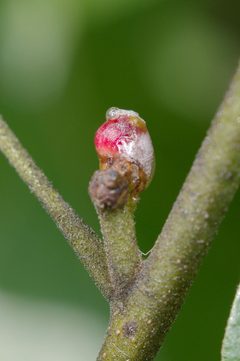
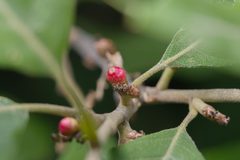
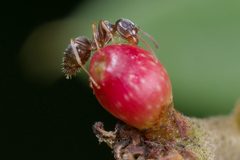
Callirhytis perditor is a of gall wasp in the Cynipidae. Like other members of its , it induces the formation of galls on oak trees (Quercus species). The species exhibits the complex typical of many cynipid , with alternating sexual and that often produce morphologically distinct galls on different parts of the plant.
Pronunciation
How to pronounce Callirhytis perditor: /kælɪˈraɪtɪs pərˈdɪtɔr/
These audio files are automatically generated. While they are not always 100% accurate, they are a good starting point.
Identification
-level identification of Callirhytis perditor requires examination of gall and location on the oak, as well as characteristics. The Callirhytis is distinguished from related cynipid genera by gall structure and host association patterns. Specific identification typically depends on detailed study of adult specimens, including wing venation, structure, and other microscopic features. The galls induced by this species must be distinguished from those of other Callirhytis species and unrelated gall-formers on oak.
Images
Habitat
Associated with oak woodlands and forests where Quercus occur. The specific microhabitat depends on which is present, as different generations may form galls on leaves, stems, or other plant tissues.
Distribution
Documented from North America. The 59 iNaturalist observations suggest established occurrence in regions with suitable oak , though precise range boundaries are not well documented in available sources.
Seasonality
Activity timing follows the typical cynipid pattern of alternating . Gall formation and periods vary by generation and geographic location. Specific seasonal data for this is not available in provided sources.
Host Associations
- Quercus - gall Oak serve as the plant for gall induction. Specific oak species associations are not documented in available sources.
Life Cycle
Exhibits heterogony (), with sexual and parthenogenetic that typically produce different gall types on different plant tissues. The specific details of developmental stages and generation timing for this are not documented in available sources.
Ecological Role
As a gall inducer, modifies plant tissue development to create protected microhabitats for larval development. These galls may subsequently serve as resources for , , and other associated organisms within the gall .
Similar Taxa
- Callirhytis quercuspunctataAnother Callirhytis that forms galls on oak; distinguished by specific gall and tissue location
- Callirhytis clavulaCongeneric oak gall wasp with different gall characteristics; produces harder, less succulent galls than those of C. perditor
- Antistrophus speciesDifferent cynipid ; distinguished by plant (rosinweed, Silphium, rather than oak) and gall location on stems rather than oak tissues
More Details
Taxonomic note
The Callirhytis is part of the diverse Cynipidae , which contains numerous oak-associated gall wasp . Many Callirhytis species remain poorly studied, with identification relying heavily on gall characteristics and detailed morphological examination of .