
Callirhytis pedunculata
Callirhytis pedunculata is a of gall wasp in the Cynipidae. Like other members of its , it induces galls on oak trees (Quercus species). The species exhibits the typical complex of cynipid gall wasps, with alternating sexual and that often produce distinct gall morphologies on different oak tissues.
Pronunciation
How to pronounce Callirhytis pedunculata: //ˌkælɪˈraɪtɪs pɪˌdʌŋkjʊˈleɪtə//
These audio files are automatically generated. While they are not always 100% accurate, they are a good starting point.
Identification
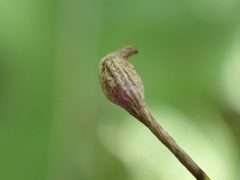
Distinguished from by the specific gall it induces. Callirhytis are separated from other cynipid by gall structure and location on oaks. C. pedunculata specifically produces pedunculate (stalked) galls, as suggested by its species epithet. Accurate identification typically requires examination of the gall characteristics and host oak species, with morphology being less commonly used due to the cryptic nature of cynipid .
Images
Habitat
Associated with oak-dominated , including deciduous forests, woodlands, and areas where oak occur. The specific oak host species for C. pedunculata have not been definitively established in available sources.
Distribution
Reported from North America. iNaturalist records indicate observations across multiple locations, though precise range boundaries are not well-documented in available literature.
Host Associations
- Quercus - gall induction oak ; specific associations not confirmed in available sources
Life Cycle
Has been observed to exhibit the typical cynipid pattern of alternating : a sexual generation that produces small, often inconspicuous galls, and an (parthenogenetic) generation that produces the more prominent galls typically encountered. The specific timing and gall locations for each generation have not been documented for this .
Behavior
Induces gall formation on oak tissues through chemical manipulation of plant development. The larva develops within the protective gall structure, feeding on nutritive plant tissue that the gall itself generates.
Ecological Role
As a gall inducer, creates microstructures that support a of , , and other associates. These galls contribute to local biodiversity by providing shelter and food resources for organisms that cannot induce galls themselves.
Human Relevance
No direct economic or medical significance documented. Of interest to entomologists, natural historians, and students of plant-insect interactions. Galls may be noticed by observers of oak trees but are not considered damaging to overall tree health.
Similar Taxa
- Callirhytis quercuspunctataAlso induces galls on oaks; distinguished by gall —C. quercuspunctata produces the 'gouty oak gall' which differs in structure and appearance from the pedunculate galls of C. pedunculata
- Callirhytis clavulaProduces (club-shaped) galls on oaks; distinguished from C. pedunculata by gall shape and lack of prominent stalk
- Antistrophus speciesDifferent in same ; induces galls on Silphium (rosinweed) rather than oaks, with galls occurring on stems rather than oak tissues
More Details
Taxonomic Note
The Callirhytis has undergone taxonomic revision, with some authorities previously placing in related genera. Current classification places C. pedunculata within Callirhytis sensu stricto, though detailed phylogenetic relationships within the genus remain active research areas.