
Andricus tubularius
Pronunciation
How to pronounce Andricus tubularius: /ænˈdraɪkəs tjuːˈbʊlˌɛəriəs/
These audio files are automatically generated. While they are not always 100% accurate, they are a good starting point.
Identification
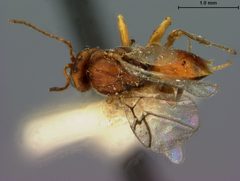
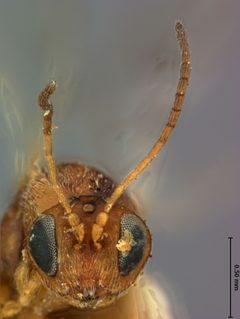
Distinguished from other Andricus by the specific of its gall, though detailed diagnostic features for this particular species are not well documented in available sources. As with many cynipid gall wasps, species-level identification relies heavily on gall characteristics and plant association.
Images
Habitat
Associated with oak-dominated forests and woodlands where trees occur.
Distribution
Documented from North America based on limited iNaturalist observations; precise range boundaries are not well established.
Seasonality
and gall formation timing follow patterns typical of temperate cynipid , with activity generally coinciding with oak leaf development in spring and early summer.
Host Associations
- Quercus - plantSpecific oak not definitively established for this species.
Life Cycle
Exhibits the typical cynipid gall wasp : females deposit in oak tissue using an ovipositor, inducing gall formation through chemical secretions that manipulate plant growth. Larvae develop within the gall, feeding on specialized plant tissue, before pupating and emerging as . Many Andricus have complex between sexual and parthenogenetic forms on different tissues or species, though this has not been specifically documented for A. tubularius.
Behavior
Females induce gall formation by injecting into oak tissue along with chemical cues that redirect plant development. The larva develops in complete or partial isolation within the gall structure.
Ecological Role
As a gall inducer, modifies oak tissue to create specialized microhabitats that may subsequently support , , and other associated arthropods, contributing to local biodiversity in oak .
Similar Taxa
- Other Andricus speciesShare -level characteristics of oak-associated gall induction; distinguished by gall , specificity, and often microscopic features.
- Other Cynipidae on oaksMany cynipid induce oak galls; Andricus is distinguished by specific gall types and patterns, though -level separation requires detailed examination.