
Andricus texanus
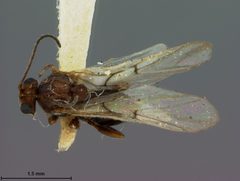
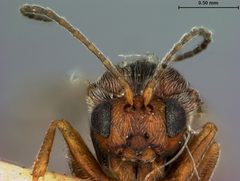
Andricus texanus is a of gall wasp in the Cynipidae, a diverse group of insects that induce characteristic growths on oak trees. Like other members of its , this species manipulates plant tissue to form specialized structures that provide shelter and food for developing larvae. The specific gall and associations distinguish it from related Andricus species.
Pronunciation
How to pronounce Andricus texanus: /ˈændrɪkəs tɛkˈsænəs/
These audio files are automatically generated. While they are not always 100% accurate, they are a good starting point.
Identification
Identification relies on the distinctive gall structure produced on oaks, as are small and morphologically similar to other cynipids. Specific diagnostic features for separating A. texanus from require examination of gall characteristics and host plant association.
Images
Habitat
Associated with oak-dominated where trees occur.
Distribution
Distribution records indicate presence in Texas and surrounding regions, with observations documented through citizen science platforms.
Host Associations
- Quercus - Oak serve as plants for gall induction
Life Cycle
Females lay in oak tissue using an ovipositor, inducing gall formation through chemical secretions that redirect plant growth. Larvae develop within the gall, feeding on specialized nutritive tissue. occurs inside the gall, with emerging to repeat the cycle.
Ecological Role
As a gall inducer, this demonstrates intimate plant-insect . Galls may provide microhabitats for secondary inhabitants and influence local oak , though specific ecological impacts remain unstudied for this species.
Similar Taxa
- Other Andricus speciesNumerous induce galls on oaks; separation requires gall and specificity
- Other Cynipidae generaMultiple cynipid produce oak galls; Andricus distinguished by specific gall and traits
More Details
Sources and further reading
- BugGuide
- iNaturalist taxon
- Bembicid Holdings | Entomology Research Museum
- Tracking Tetraopes texanus with Terry | Beetles In The Bush
- Gall darn it! Gall insects on hickory, oak, and elm, Phylloxera caryaecaulis, Andricus palustris, Colopha ulmicola — Bug of the Week
- Cynipidae | Beetles In The Bush
- The Insects Behind the Weird Growths on Plants
- The Texas Prick | Beetles In The Bush