
Psenini
A. Costa, 1858
Genus Guides
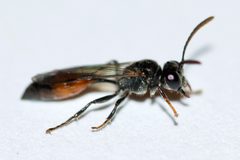
6Psenini is a tribe of aphid wasps in the Crabronidae, Pemphredoninae. The tribe comprises approximately 11 and at least 460 described . Members are solitary that provision nests with aphids (Aphididae) as food for their larvae. The tribe was established by A. in 1858 and has been historically classified within Sphecidae, though modern places it in Crabronidae.


Pronunciation
How to pronounce Psenini: //psɛˈniːnaɪ//
These audio files are automatically generated. While they are not always 100% accurate, they are a good starting point.
Images
Distribution
Documented across Asia for Psen and Psenulus; broader global distribution includes regions where aphid wasps occur, though specific range details require -level examination.
Diet
Host Associations
Life Cycle
Solitary nesting; females construct nests and provision with paralyzed aphids before laying .
Behavior
Solitary nesting ; females hunt aphids, paralyze them with venom, and transport them to nest .
Ecological Role
of aphids; may contribute to in agricultural and natural .
Human Relevance
Potential agents for pests in agricultural settings, though specific applications are not well documented.
Similar Taxa
- PemphredoniniAlso -hunting in Pemphredoninae; distinguished by morphological characters of the tribe including details of structure and wing venation
- Other Crabronidae tribesDistinguished by specialized -hunting and associated morphological adaptations