
Embolemus
Westwood, 1833
Species Guides
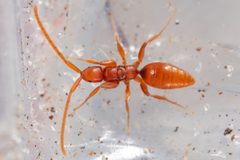
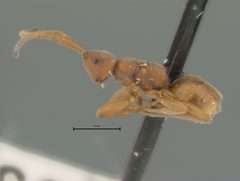
1Embolemus is a of small in the Embolemidae, first described by Westwood in 1833. The genus contains approximately 32 extant and numerous fossil species preserved in amber deposits from the Cretaceous and Eocene periods. Taxonomic debate persists regarding the status of Ampulicomorpha, which most authorities now treat as a junior synonym of Embolemus. The genus has a distribution, with records from Europe, Asia, and other regions.
Pronunciation
How to pronounce Embolemus: /ɛmˈboʊ.lɪ.məs/
These audio files are automatically generated. While they are not always 100% accurate, they are a good starting point.
Images
Distribution
distribution with records from Europe (including Ukraine, Denmark, Norway, Sweden, France), Asia (Myanmar, China), and other regions. Specific associations for most remain poorly documented.
Similar Taxa
- AmpulicomorphaDisputed junior synonym; some authorities maintain separation based on morphological distinctions, though current consensus treats these as congeneric
More Details
Fossil record
Extensive fossil record with 12 described extinct from Burmese amber (Cenomanian, ~99 Ma), Baltic amber (Eocene), Rovno amber (Eocene), Spanish amber (Albian), and French Oise amber (Ypresian). This indicates the originated by at least the mid-Cretaceous and has persisted for approximately 100 million years.
Taxonomic uncertainty
The synonymy of Ampulicomorpha with Embolemus remains disputed by a minority of authorities, reflecting ongoing challenges in delimiting within Embolemidae based on wing reduction and other variable traits.