
Pristocera
Klug, 1808
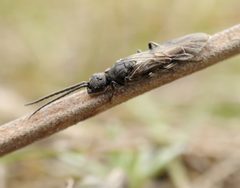
Pristocera is a of chrysidoid in the Bethylidae, distributed across the Old World. Males are distinguished by a hypopygium split into two separate plates, while females possess petiolar flaps. The genus comprises numerous , with documented diversity in Africa, Asia, and Papua New Guinea. At least one species, Pristocera rufa, is known to be a gregarious ectoparasitoid of weevil larvae.
Pronunciation
How to pronounce Pristocera: /priːstoʊˈsɪərə/
These audio files are automatically generated. While they are not always 100% accurate, they are a good starting point.
Identification
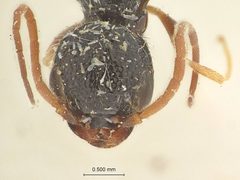
Males recognized by hypopygium divided into two separate plates; females recognized by presence of petiolar flaps. These traits distinguish Pristocera from other bethylid within the Pristocerinae.
Images
Distribution
Old World distribution, with recorded from Africa, Asia, and Papua New Guinea. Specific records include India, Sri Lanka, Myanmar, Thailand, Malaysia, Indonesia, Philippines, Taiwan, China, and various African countries.
Host Associations
- Pantorhytes szentivanyi - ectoparasitoidLate-instar larvae; only confirmed for Pristocera rufa in Papua New Guinea cacao plantations
Life Cycle
For Pristocera rufa: develops as gregarious on late-instar larvae inside cacao pods; emerge from host pupal chambers. General for remainder of unknown.
Behavior
Females of Pristocera rufa attack larvae inside cacao pods. Gregarious development observed, with multiple larvae developing on single host.
Ecological Role
Pristocera rufa acts as agent of Pantorhytes szentivanyi, a serious pest of cacao in Papua New Guinea; rates rarely exceed 5%, indicating minor . Role of other unknown.
Human Relevance
Pristocera rufa has minor importance in regulating of cacao pest Pantorhytes szentivanyi in Papua New Guinea; rates too low for effective biocontrol.
Similar Taxa
- Other PristocerinaeLack male hypopygium split into two plates and female petiolar flaps characteristic of Pristocera