
Pristocerinae
Genus Guides
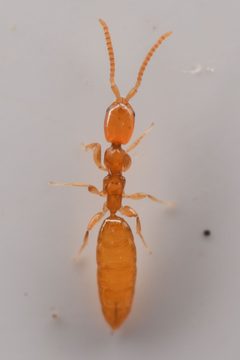
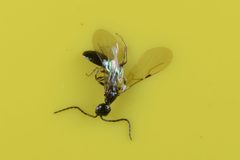
5Pristocerinae is a of Bethylidae, a of . The group includes both extant and extinct , with fossil evidence from Eocene Baltic amber. Members are characterized by reduced wing venation and between males and females. A notable fossil discovery from the Yantarny amber mine preserved a male and female specimen together, providing rare direct evidence of association in Hymenoptera.
Pronunciation
How to pronounce Pristocerinae: /ˌpriːstoʊsəˈraɪniː/
These audio files are automatically generated. While they are not always 100% accurate, they are a good starting point.
Images
Habitat
Fossil evidence indicates presence in upper Eocene Baltic amber forests. Extant requirements are not documented in available sources.
Distribution
Fossil distribution: Yantarny amber mine, Kaliningrad region, Russia. Extant distribution not specified in available sources.
Behavior
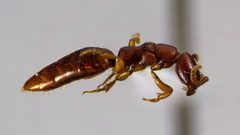
Fossil evidence from †Archeonesia eocena shows association of male and female specimens, indicating reproductive . This level of association is rare in Bethylidae and Hymenoptera fossils.
Similar Taxa
- Bethylidae (other subfamilies)Pristocerinae can be distinguished by reduced wing venation and specific genitalic structures, though precise diagnostic features require examination.
More Details
Fossil Significance
The discovery of †Archeonesia eocena represents one of the few cases in Hymenoptera where both sexes of an extinct are preserved together in amber, allowing confident association. The female resembles Acrenesia, while the male resembles Cleistepyris, demonstrating morphological divergence between sexes.