
Tanaostigmodes
Ashmead, 1896
Species Guides
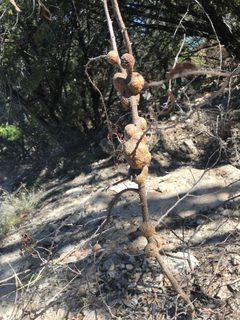
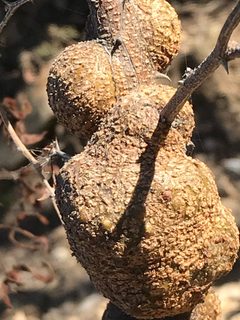
2Tanaostigmodes is a of chalcid wasps in the Tanaostigmatidae, established by Ashmead in 1896. in this genus exhibit diverse associations with Fabaceae, including fruit-feeding and gall-inducing . Some species have reached pest status on cultivated legumes, while others induce distinct gall on native plants. The genus is distributed across multiple continents including Asia and the Americas.

Pronunciation
How to pronounce Tanaostigmodes: //tænəˌɒstɪɡˈmoʊdiːz//
These audio files are automatically generated. While they are not always 100% accurate, they are a good starting point.
Images
Distribution
India (Andhra Pradesh); Brazil (São Paulo, Guatapará); United States (Arizona)
Host Associations
- Cajanus cajan (pigeon pea) - larval feeding in podsT. cajaninae
- Atylosia spp. - larval feedingT. cajaninae; wild
- Rhynchosia spp. - larval feedingT. cajaninae; wild
- Calliandra brevipes - gall inductionT. ringueleti and T. mecanga
- Machaerium acutifolium - reared from fruitsT. anamariae
Behavior
Larvae of some feed inside plant tissues including pods and fruits. Gall-inducing species manipulate plant metabolism to create distinct gall with differential biochemical profiles.
Human Relevance
T. cajaninae has reached pest status on pigeon pea at agricultural research facilities in India, with potential for broader agricultural impact. Control measures are complicated by use that reduces natural without controlling the pest.
Sources and further reading
- BugGuide
- GBIF taxonomy match
- iNaturalist taxon
- NCBI Taxonomy
- Catalogue of Life
- Tanaostigmodes cajaninae LaSalle sp. n. (Hymenoptera: Tanaostigmatidae), a potential pest of pigeon pea in India
- A new species of Tanaostigmodes Ashmead, 1896 (Hymenoptera: Tanaostigmatidae) from Brazil associated with Machaerium acutifolium Voguel, 1837 (Fabaceae)
- Differential biochemical responses of Calliandra brevipes (Fabaceae, Mimosoidae) to galling behaviour by Tanaostigmodes ringueleti and T. mecanga (Hymenoptera, Tanaostigmatidae)