Otitesellini
Joseph, 1964
Genus Guides
3Otitesellini is a tribe of chalcidoid wasps within the Pteromalidae, first described by Joseph in 1964. Members of this tribe are , a common ecological strategy within Chalcidoidea. The tribe is distinguished by morphological characteristics that separate it from other Pteromalinae tribes. The group has been documented in iNaturalist with over 600 observations, indicating some level of detectability in the field.
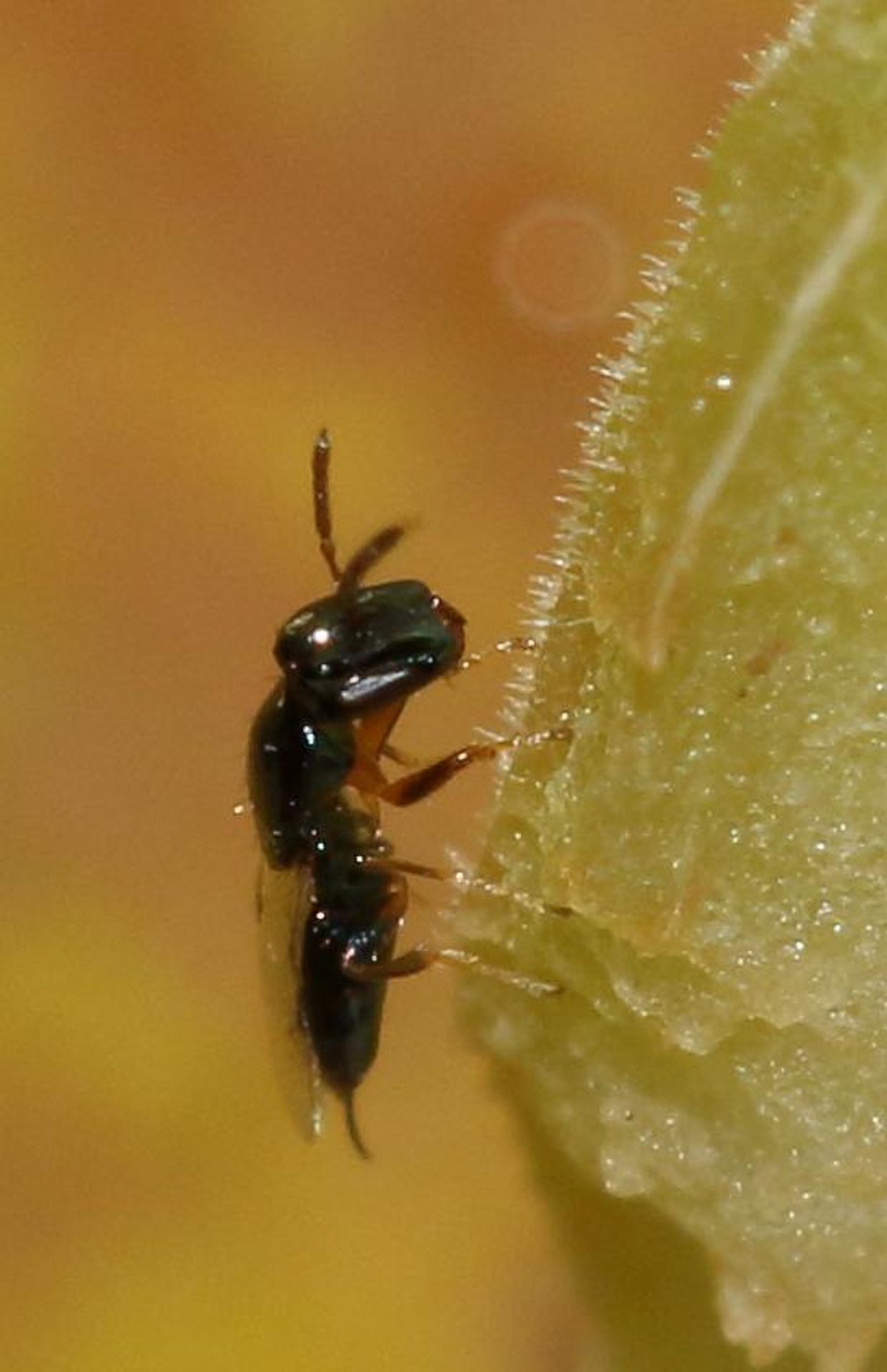
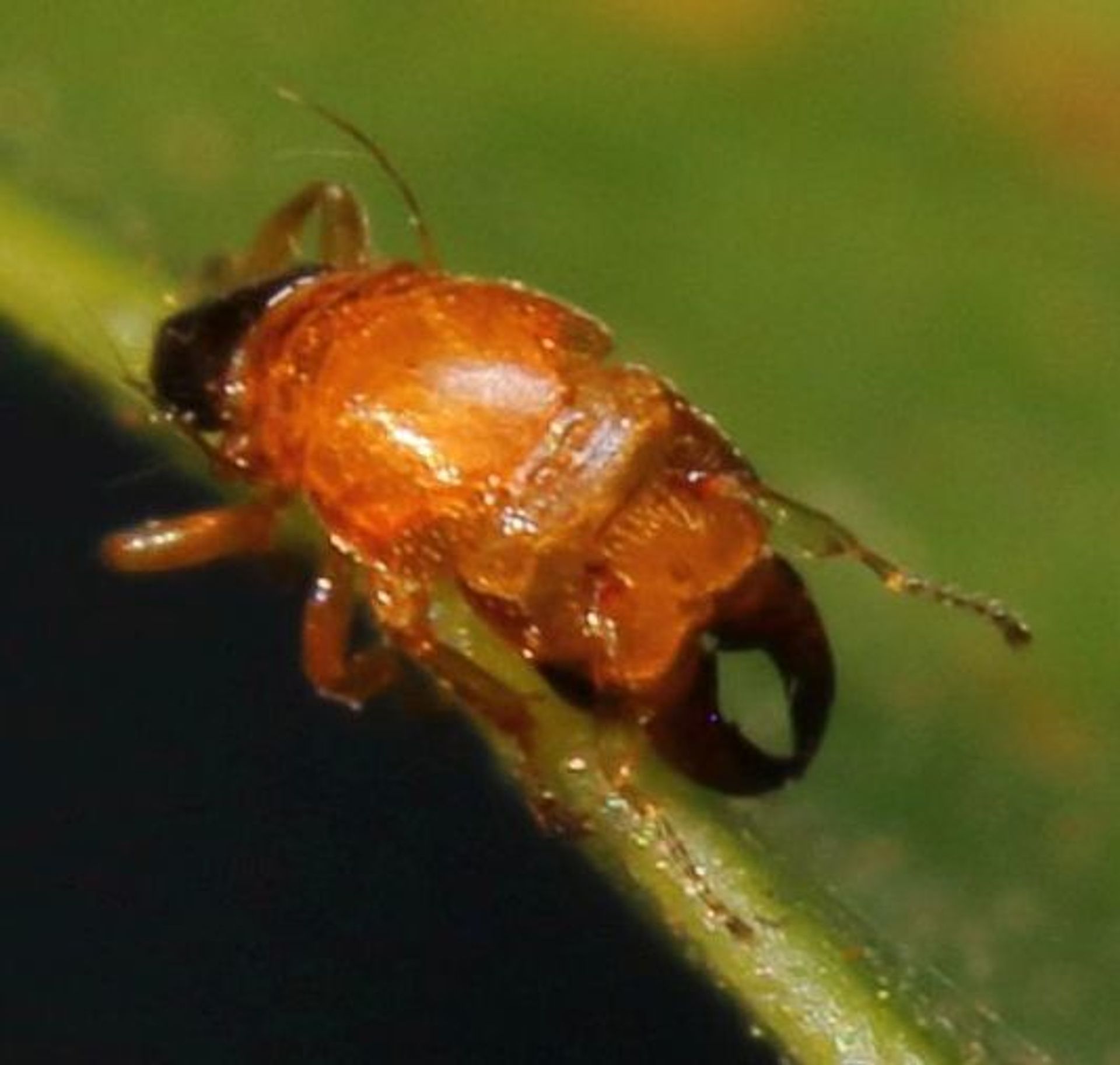
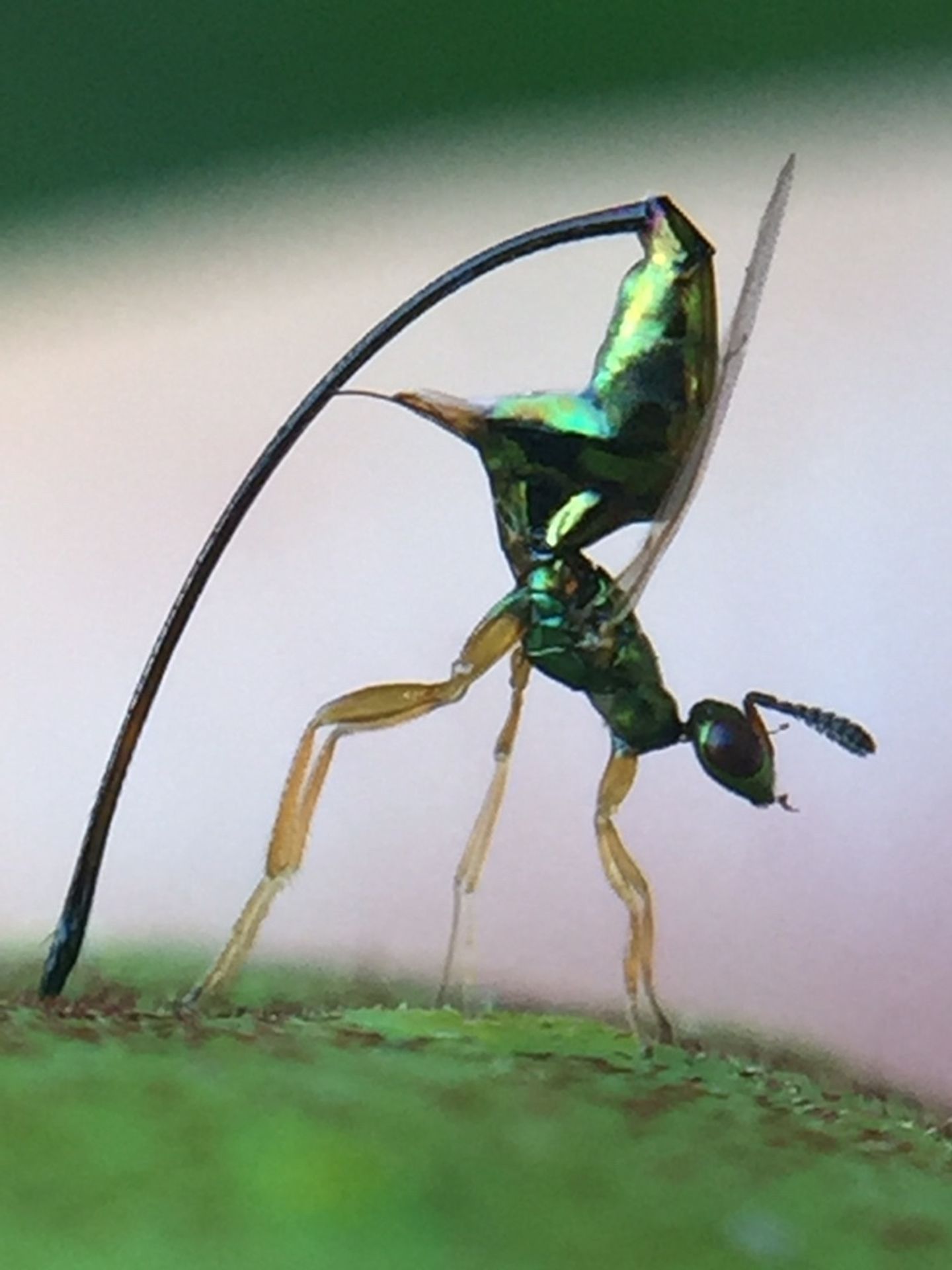
Pronunciation
How to pronounce Otitesellini: /ˌoʊtɪtɛˈsɛlɪnaɪ/
These audio files are automatically generated. While they are not always 100% accurate, they are a good starting point.
Identification
Otitesellini can be distinguished from other Pteromalinae tribes by specific morphological features of the mesosoma and metasoma, though detailed diagnostic characters require examination. As with many chalcidoid groups, identification to tribe level typically requires microscopic examination of wing venation, antennal structure, and tarsal segmentation patterns.
Images
Distribution
Global distribution; specific range boundaries are not well documented in available sources.
Ecological Role
As members of Pteromalidae, Otitesellini likely function as of other arthropods, though specific relationships remain poorly documented.
Similar Taxa
- Other Pteromalinae tribesOtitesellini is distinguished from related tribes such as Pteromalini and Miscogasterini by subtle morphological differences in body structure and chaetotaxy, requiring expert identification.
More Details
Taxonomic history
The tribe was established by Joseph in 1964 and has remained a recognized grouping within Pteromalidae, though the composition and boundaries of the tribe may have been refined in subsequent taxonomic revisions.