
Eusandalum
Ratzeburg, 1852
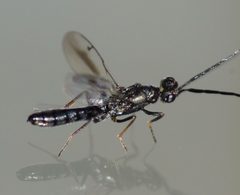
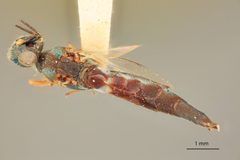
Eusandalum is a of chalcidoid wasps in the Eupelmidae, Eusandalinae. The genus was established by Ratzeburg in 1852. in this genus are , though specific associations remain poorly documented. The genus has been recorded from Europe, North America, and the Canary Islands.

Pronunciation
How to pronounce Eusandalum: //juːˈsændələm//
These audio files are automatically generated. While they are not always 100% accurate, they are a good starting point.
Identification
Members of Eusandalum can be distinguished from other Eupelmidae by features associated with the Eusandalinae, including a distinct mesosomal structure. Detailed morphological characters for -level identification require examination of specific antennal and wing venation patterns. Separation from the related genus Eusandalia may require microscopic examination of tarsal and propodeal characters.
Images
Distribution
Recorded from Norway, Sweden, Spain (including Canary Islands), and the United States. The sparse records suggest either genuinely restricted distribution or undercollection due to small size and specialized habits.
Ecological Role
As with other Eupelmidae, in this likely function as of insect or larvae, though specific records for Eusandalum are not well established.
Similar Taxa
- EusandaliaClosely related within Eusandalinae; distinguished by subtle morphological differences in tarsal structure and propodeal
- Other Eupelminae generaEusandalum belongs to the Eusandalinae, which differs from the more diverse Eupelminae in mesosomal and antennal characteristics
More Details
Taxonomic note
Eusandalum is the type of the Eusandalinae, a relatively small and morphologically distinct lineage within Eupelmidae. The subfamily was historically treated differently by various authors, with some classifications merging it into Eupelminae.
Data limitations
The is poorly represented in collections and literature. Most available information derives from taxonomic revisions rather than biological studies. The 120 iNaturalist observations suggest growing citizen science documentation, but identifications to genus level in this group require verification.