
Zagrammosoma multilineatum
(Ashmead, 1888)
Zagrammosoma multilineatum is a small in the Eulophidae, first described by Ashmead in 1888. It belongs to a of chalcidoid wasps known for their association with leaf-mining insects. The has been recorded across multiple Canadian provinces, suggesting a broad northern distribution.
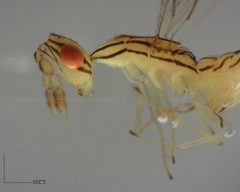
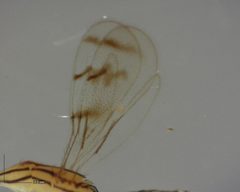
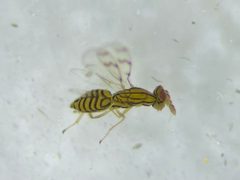
Pronunciation
How to pronounce Zagrammosoma multilineatum: //ˌzæɡrəmoʊˈsoʊmə ˌmʌltiˈlaɪniˌeɪtəm//
These audio files are automatically generated. While they are not always 100% accurate, they are a good starting point.
Identification
The specific epithet refers to multiple longitudinal lines, which may aid separation from congeneric . Definitive identification requires examination of wing venation, antennal segmentation, and other microscopic characters typical of Eulophidae . Similar species in Zagrammosoma may differ in the number, pattern, or intensity of body markings.
Images
Habitat
Associated with supporting leaf-mining insects, the presumed . Canadian records span forested and agricultural regions from Alberta to the Atlantic provinces.
Distribution
Recorded in Canada: Alberta, British Columbia, New Brunswick, Nova Scotia. The disjunct western and eastern records suggest either a broad transcontinental range or potential cryptic diversity requiring verification.
Ecological Role
Presumed of leaf-mining insects (Lepidoptera, Diptera, or Coleoptera), based on documented of . Specific records for this are not established.
Human Relevance
Potential agent for leaf-mining pests, though no documented applications are known for this specifically.
Similar Taxa
- Zagrammosoma americanumOverlapping distribution in North America; distinguished by body markings and antennal structure
- Other Zagrammosoma speciesCongeneric share minute size and general habitus; require microscopic examination for separation
More Details
Taxonomic history
Originally described in the Cirrospilus by Ashmead (1888), later transferred to Zagrammosoma. The genus Zagrammosoma was revised by LaSalle (1994), though this may not have been included in that treatment.
Collection records
GBIF records indicate specimens from both western (Alberta, British Columbia) and eastern (New Brunswick, Nova Scotia) Canada, with no intervening records. This pattern warrants investigation of whether these represent a single widespread or multiple cryptic .