
Aphycus
Mayr, 1876
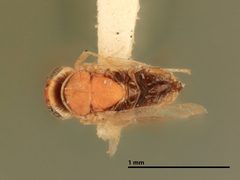
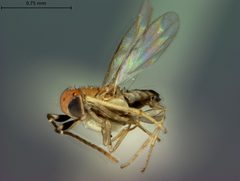
Aphycus is a of parasitic in the Encyrtidae, Encyrtinae. The genus was established by Mayr in 1876 and contains that are of scale insects (Coccoidea). Species in this genus have been recorded from multiple continents including Europe, North America, and Asia. The UCR Encyrtidae collection holds several Aphycus species including A. apicalis, A. bifasciatus, A. hadzibejliae, A. hederaceus, A. rubescens, A. secundus, and A. shutovae.

Pronunciation
How to pronounce Aphycus: /ˈæfɪkəs/
These audio files are automatically generated. While they are not always 100% accurate, they are a good starting point.
Identification
Aphycus are distinguished from related encyrtid by a combination of antennal structure, mesosoma proportions, and wing venation patterns. The genus is morphologically similar to Metaphycus and Pseudaphycus, requiring examination of specific characters such as the number of antennal segments, the form of the scape, and details of the mesoscutellar for accurate identification. Species-level identification typically requires slide-mounted specimens and reference to original descriptions.
Images
Distribution
Recorded from England, Sicily, California, and Florida. The has a broad distribution across the Palearctic and Nearctic regions, with additional records from the Oriental region.
Host Associations
- scale insects (Coccoidea) - Aphycus are primary of soft scale insects. records in the UCR collection indicate associations with various Coccoidea species, though specific host data for individual Aphycus species remain largely unpublished.
Ecological Role
Aphycus function as agents of insect . Their relationship with Coccoidea contributes to natural suppression of these agricultural and horticultural pests.
Human Relevance
in this have been utilized in programs targeting scale insects on crops. The UCR collection contains voucher specimens from California biological control projects, documenting their deployment in pest management.
Similar Taxa
- MetaphycusBoth are Encyrtinae of scale insects with overlapping ranges and morphological similarity. Metaphycus typically has more complex antennal club segmentation and distinct mesoscutellar patterns.
- PseudaphycusClosely related with similar body plan and insect . Pseudaphycus often exhibit differences in wing venation and antennal proportions that require careful examination to separate from Aphycus.
More Details
Taxonomic complexity
The UCR Encyrtidae collection notes that Aphycus specimens on slides may be mixed with Metaphycus spp., indicating ongoing challenges in -level sorting and the need for expert re-examination of material.