
Conostigmus
Dahlbom, 1858
Species Guides
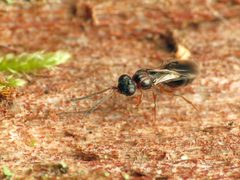
1Conostigmus is a of in the superfamily Ceraphronoidea and Megaspilidae. It is the second-largest genus in Megaspilidae with over 170 extant . The genus has a worldwide distribution, with greatest diversity in the Palearctic region. is common in the genus, requiring molecular methods (28S rDNA) to associate males and females of the same species.
Pronunciation
How to pronounce Conostigmus: /kəˈnɒstɪɡməs/
These audio files are automatically generated. While they are not always 100% accurate, they are a good starting point.
Identification
Conostigmus can be distinguished from the sister Dendrocerus within Megaspilidae by morphological characters detailed in dichotomous keys for Ceraphronoidea genera. is prevalent, making -level identification challenging without molecular verification.
Images
Habitat
Found in diverse including Amazon rainforest (Brazil) and montane regions of China at 1978 m elevation. Specimens have been collected using , sweep-nets, and yellow pan traps.
Distribution
Worldwide distribution with over 170 extant . Greatest diversity in the Palearctic region. Neotropical records include Brazil (Amazonas: Manaus), Ecuador, and Chile. Palearctic records include Denmark, Norway, and Sweden.
Behavior
is prevalent in the ; males and females of the same often require molecular identification (28S rDNA) for correct association.
Ecological Role
. Some are known ectoparasitoids; endoparasitoid and hyperparasitoid strategies are suspected but not confirmed.
Similar Taxa
- DendrocerusSister within Megaspilidae; distinguished by morphological characters in dichotomous keys. Dendrocerus contains both ectoparasitoid and endoparasitoid , suggesting Conostigmus may share similar diversity.
More Details
Taxonomic significance
Conostigmus is the second-largest in Megaspilidae, yet its remains poorly known compared to other ceraphronoid genera.
Sources and further reading
- BugGuide
- Wikipedia
- GBIF taxonomy match
- iNaturalist taxon
- NCBI Taxonomy
- Catalogue of Life
- First record of Conostigmus Dahlbom, 1858 (Hymenoptera: Megaspilidae) from Brazil and description of the female of Conostigmus binasutus Dessart & Cancemi, 1986
- Description of two new species of Conostigmus Dahlbom, 1858 (Hymenoptera, Megaspilidae) from Yintiaoling Nature Reserve, Chongqing, China.