Nomada texana
Cresson, 1872
Texas Nomad Bee
Nomada texana, commonly known as the Texas Nomad Bee, is a of cuckoo bee in the Apidae. It is native to the southern and western United States and Mexico. As a kleptoparasite, it does not build its own nest or collect pollen, instead laying in the nests of species. Males measure 7.5–8.0 mm and females 8–9 mm. The species exhibits the black and yellow coloration typical of the , with reddish legs.
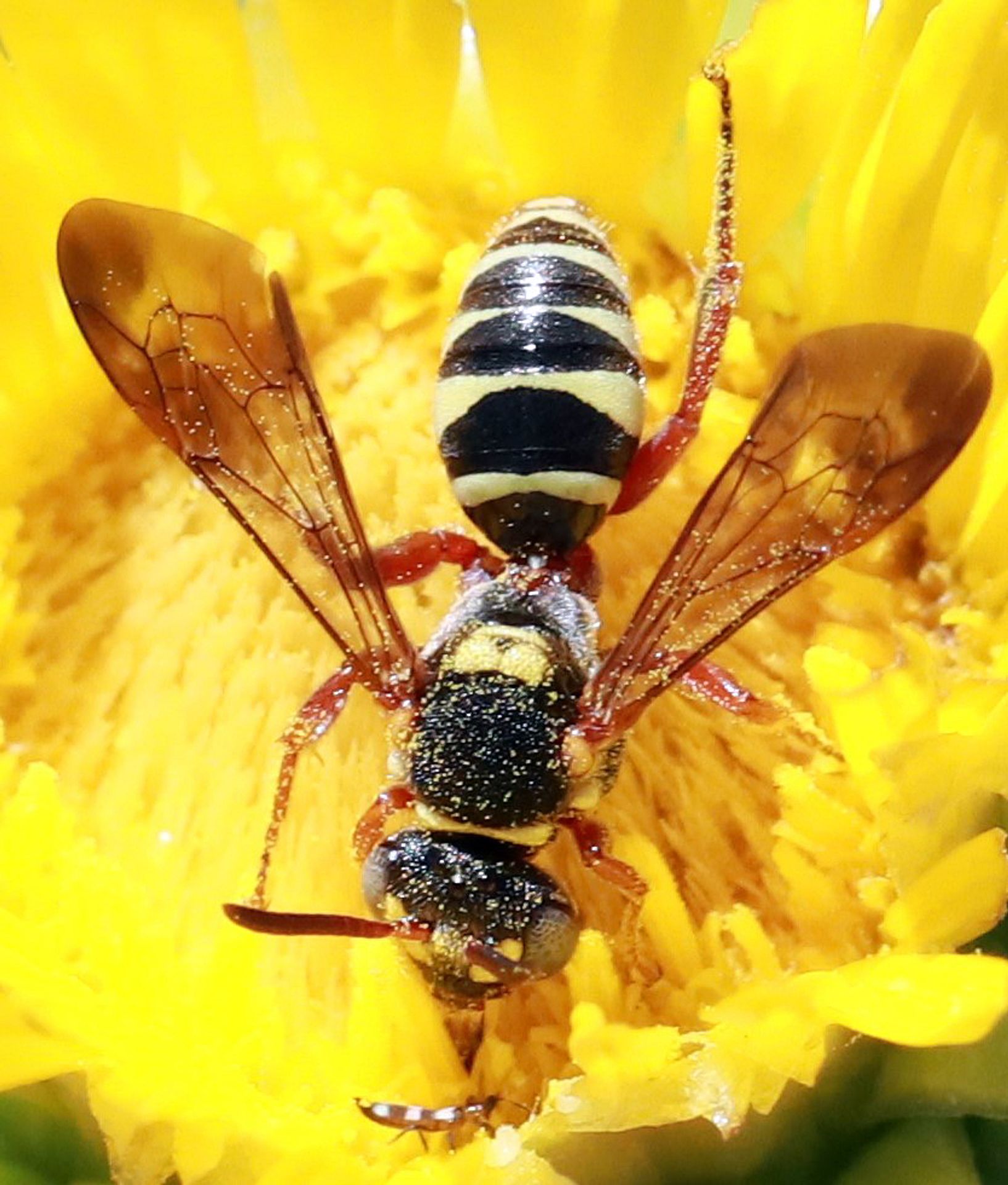
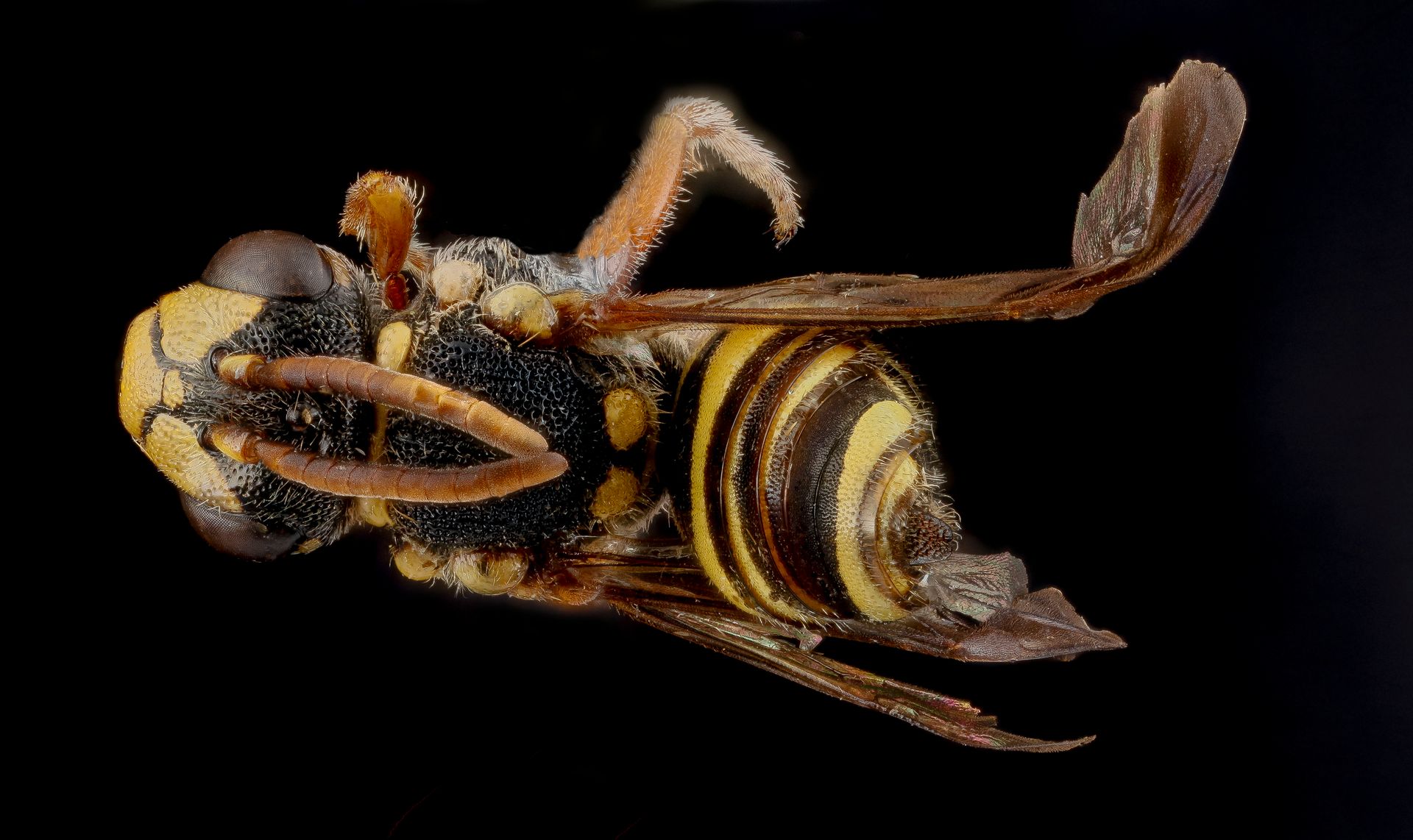
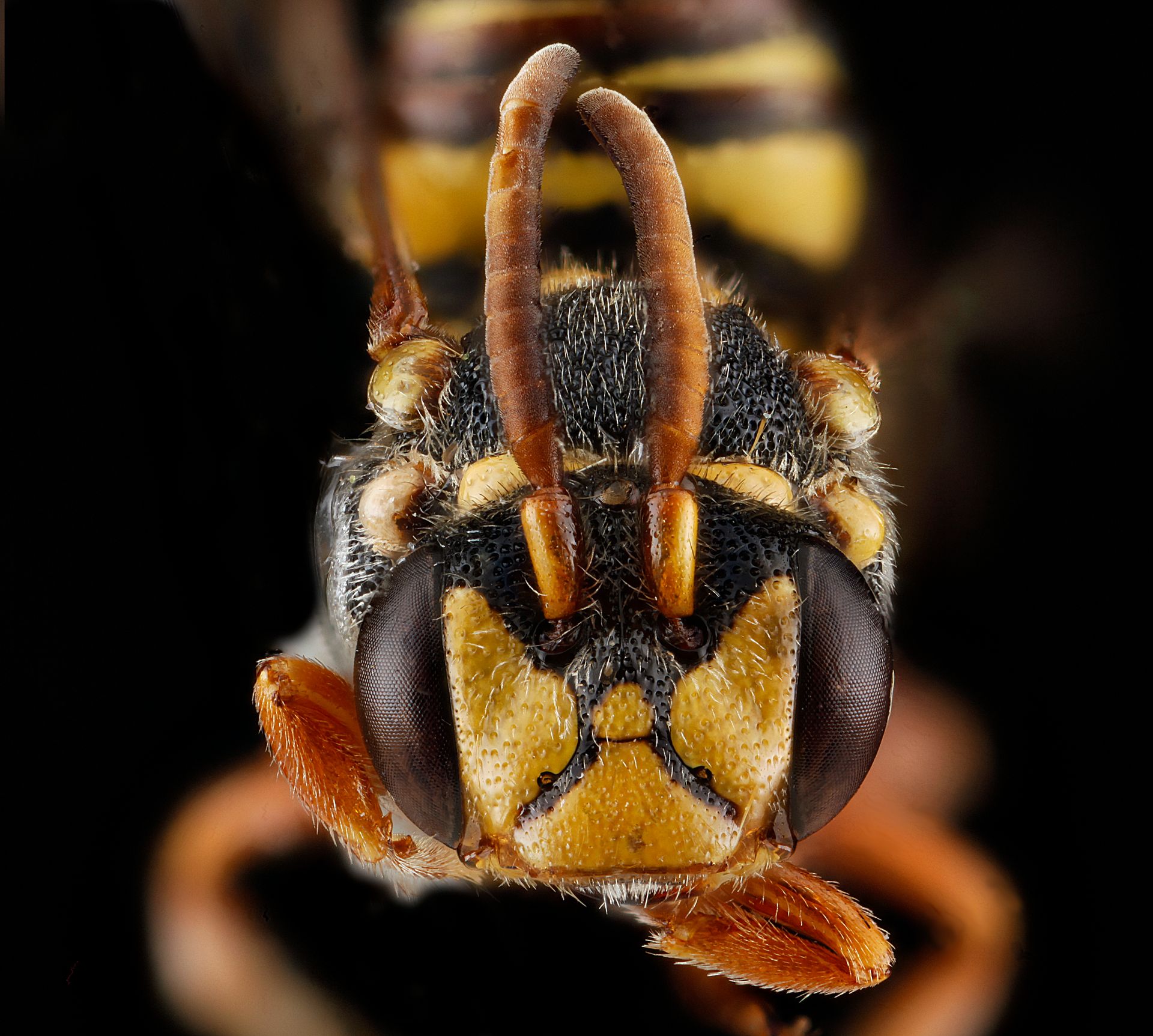
Identification
The Texas Nomad Bee can be distinguished from similar Nomada by its specific pattern of yellow markings on a black background, combined with reddish legs and size range. Accurate identification to species level typically requires examination of microscopic features such as facial markings, punctation , and male genitalia. It may be confused with other Nomada species in the same geographic region, particularly those with similar black-and-yellow coloration.
Images
Appearance
Distribution
Native to the southern and western United States and Mexico. Records indicate presence in Middle America.
Behavior
As a cuckoo bee (kleptoparasite), females lay in the nests of rather than constructing their own nests or provisioning with pollen. The larva consumes the host's egg or larva and then feeds on the pollen stores collected by the host female.
Ecological Role
Acts as a of other , potentially influencing . As with other Nomada species, it may serve as an indicator of healthy host bee .
Similar Taxa
- Other Nomada speciesShare similar black-and-yellow coloration, kleptoparasitic lifestyle, and general body form. Distinguishable by specific marking patterns, size, and microscopic characters.
- Epeolus speciesAnother of cuckoo bees with similar kleptoparasitic and -like appearance. Epeolus typically have more extensive pale or white banding patterns and different associations.
More Details
Taxonomic authority
First described by Ezra Townsend Cresson in 1872.
Sources and further reading
- BugGuide
- Wikipedia
- GBIF taxonomy match
- iNaturalist taxon
- NCBI Taxonomy
- Catalogue of Life
- Image by UC Davis Alumnus Ian Wright Appears in ESA World Calendar | Bug Squad
- entomology | Blog - Part 10
- Northern Ireland, invertebrate finds in review 2023 - Buglife Blog - Buglife
- Not-so Solitary Bees - Buglife Blog - Buglife
- Bare ground experiments to help save rare bees and wasps - Buglife Blog - Buglife
- behaviour | Blog