
Epeolus zonatus
Smith, 1854
Zoned Cellophane-cuckoo Bee
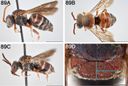
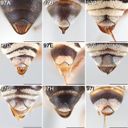
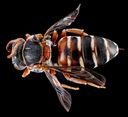
Epeolus zonatus is a cuckoo bee in the Apidae, first described by Smith in 1854. As a , it lays in the nests of bees rather than building its own. The species is found in North America, though specific details about its and host associations remain limited in the available literature.
Pronunciation
How to pronounce Epeolus zonatus: //ɛˈpiːələs zoʊˈneɪtəs//
These audio files are automatically generated. While they are not always 100% accurate, they are a good starting point.
Images
Distribution
North America. Specific locality records are sparse, with 17 observations documented on iNaturalist.
Ecological Role
As a cuckoo bee, Epeolus zonatus functions as a , exploiting the nest-provisioning efforts of bees. This parasitic strategy influences host and contributes to structure.