
Paranomada
Linsley & Michener, 1937
Species Guides
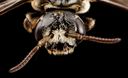
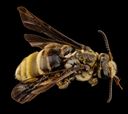
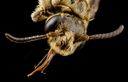
1- Paranomada velutina(Black-velvet Flat-Nomad)
Paranomada is a of cleptoparasitic cuckoo bees in the Apidae, tribe Brachynomadini. The genus contains three described , all to western North America. As , these bees do not construct their own nests or provision their own young, but instead lay in the nests of bees.
Pronunciation
How to pronounce Paranomada: /ˌpaɹənoʊˈmɑːdə/
These audio files are automatically generated. While they are not always 100% accurate, they are a good starting point.
Identification
Paranomada can be distinguished from other cuckoo bee by their placement in the tribe Brachynomadini, which is characterized by particular morphological features of the male genitalia and other structural traits. The three species (P. californica, P. nitida, P. velutina) are distinguished from one another by subtle differences in coloration, , and body proportions, though specific diagnostic characters require examination of and detailed morphological analysis.
Images
Habitat
Western North American arid and semi-arid regions, including desert and chaparral environments.
Distribution
to western North America; known from California and adjacent regions.
Behavior
As cleptoparasitic bees, females enter nests to deposit . The Paranomada larva consumes the host's pollen provisions and often the host egg or larva.
Ecological Role
of other bees; are dependent on abundance and nest availability.
Similar Taxa
- NomadaAlso a of cuckoo bees in Nomadinae, but placed in tribe Nomadini rather than Brachynomadini; distinguished by tribal-level morphological characters and typically different associations.
- BrachynomadaCongeneric tribe member (Brachynomadini) with similar cleptoparasitic ; separation requires detailed examination of structural characters.