
Cemolobus ipomoeae
(Robertson, 1891)
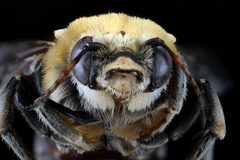
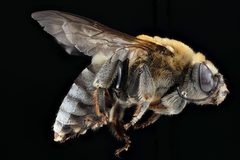
Cemolobus ipomoeae is a rarely encountered in the Apidae, tribe Eucerini. It is known for its obligate association with morning glory plants (Ipomoea), particularly Ipomoea pandurata. The was first recorded in Mississippi in 2017, representing a significant southwestern range expansion from its previously documented distribution. As a pollen and nectar specialist, this bee plays a specific role in the pollination of its plants.

Pronunciation
How to pronounce Cemolobus ipomoeae: /sɛˈmɔləbəs ɪˌpɒməˈiː/
These audio files are automatically generated. While they are not always 100% accurate, they are a good starting point.
Images
Distribution
Bolivar County, Mississippi, USA (first state record, 2017); previously known from more northeastern/north-central portions of its range; Middle America and North America more broadly
Diet
Pollen and nectar on Ipomoea pandurata (Convolvulaceae); potentially forages on other closely related Ipomoea
Host Associations
- Ipomoea pandurata - pollen/nectar sourcePrimary known plant; foraging relationship
Behavior
foraging on Ipomoea plants; rarely encountered in field surveys
Ecological Role
of Ipomoea pandurata and potentially other Ipomoea ; contributes to reproductive success of its plants through specialized pollen and nectar collection
Similar Taxa
- Xenoglossa speciesCemolobus was historically treated as a subgenus of Xenoglossa; both are bees on Cucurbitaceae and Convolvulaceae plants
- Other Eucerini tribe membersShare general of long-horned bees, but differ in plant specificity and distribution