
Melitoma
Lepeletier & Audinet-Serville, 1828
chimney bees
Species Guides
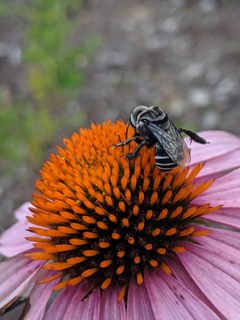
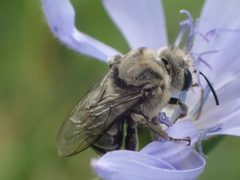
3- Melitoma grisella(Great Plains Turret Bee)
- Melitoma marginella(Margined Turret Bee)
- Melitoma taurea(mallow bee)
Melitoma is a of solitary bees commonly known as chimney bees, comprising approximately 11-13 described . Members of this genus are classified within the Apidae, tribe Emphorini, and are characterized by their distinctive nesting involving the construction of chimney-like turrets at nest entrances. The genus occurs in the Nearctic and Neotropical regions, with species documented from North America through Central and South America.

Pronunciation
How to pronounce Melitoma: /mɛlɪˈtoʊmə/
These audio files are automatically generated. While they are not always 100% accurate, they are a good starting point.
Identification
Melitoma are distinguished from other Emphorini by their chimney-like nest turrets, constructed from soil particles and plant resins. The can be separated from closely related genera such as Diadasia and Ptilothrix by subtle morphological characters of the male genitalia and female scopal hairs, though precise identification to species level requires examination.
Images
Distribution
Nearctic and Neotropical regions. Documented from North America, Central America, and South America. Specific distribution varies by ; for example, Melitoma marginella and Melitoma taurea occur in North America, while Melitoma ameghinoi is found in South America.
Host Associations
- Ipomoea - pollen sourceMelitoma ipomoearum is associated with morning glories (Ipomoea), as indicated by its specific epithet
- Malvaceae - pollen sourceMelitoma taurea, commonly called the mallow bee, has been associated with mallow plants
Behavior
Nests are constructed in the ground with distinctive chimney-like turrets built at the entrance using soil particles cemented with plant resins. This turret-building is a defining characteristic of the and has been documented in Melitoma ameghinoi and other .
Ecological Role
. in this have been observed visiting flowers of morning glories (Ipomoea) and mallows (Malvaceae), suggesting specialization on particular plant in some cases.
Similar Taxa
- DiadasiaAlso in tribe Emphorini and shares similar body form; distinguished by nesting (Diadasia lacks chimney turrets) and subtle morphological differences
- PtilothrixAnother emphorine with superficially similar appearance; Melitoma distinguished by the chimney turret nesting structure and genitalic characters
More Details
Species diversity
The number of described varies between sources: Wikipedia lists 11 species, while other sources indicate approximately 13 species. This discrepancy may reflect taxonomic revisions or differing treatments of subspecific .
Nesting biology
The chimney turret structure is thought to function in protecting the nest entrance from flooding and , though detailed functional studies are limited.