
Centris hoffmanseggiae
Cockerell, 1897
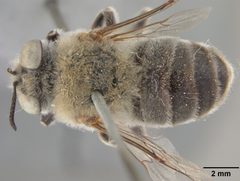
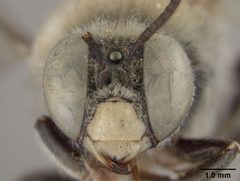
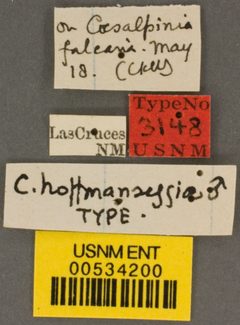
Pronunciation
How to pronounce Centris hoffmanseggiae: /ˈt͡sɛntrɪs hɔfmanhaɪgii/
These audio files are automatically generated. While they are not always 100% accurate, they are a good starting point.
Images
Distribution
North America; Middle America. Distribution records indicate presence in both regions, though specific countries or localities are not well documented in available sources.
Diet
Host Associations
Behavior
Female bees have been observed visiting flowers at ground level, producing a distinctive buzz while moving between blooms. This buzzing likely facilitates oil collection from floral structures.
Ecological Role
Similar Taxa
- Centris lanosaBoth are oil-collecting bees in the same that visit Krameria flowers; C. lanosa was specifically noted from Krameria lanceolata in Oklahoma, suggesting potential overlap in use and with C. hoffmanseggiae
- Centris (Heterocentris) analisAnother centridine with documented oil-collecting and similar ecological role; used in comparative studies of Centris
More Details
Taxonomic note
The epithet 'hoffmanseggiae' likely honors Count Johann Centurius Hoffmannsegg (1766-1849), a German botanist and entomologist who collected extensively in Brazil and contributed to early descriptions of Neotropical fauna.