Perdita koebelei
Timberlake, 1964
Species Guides
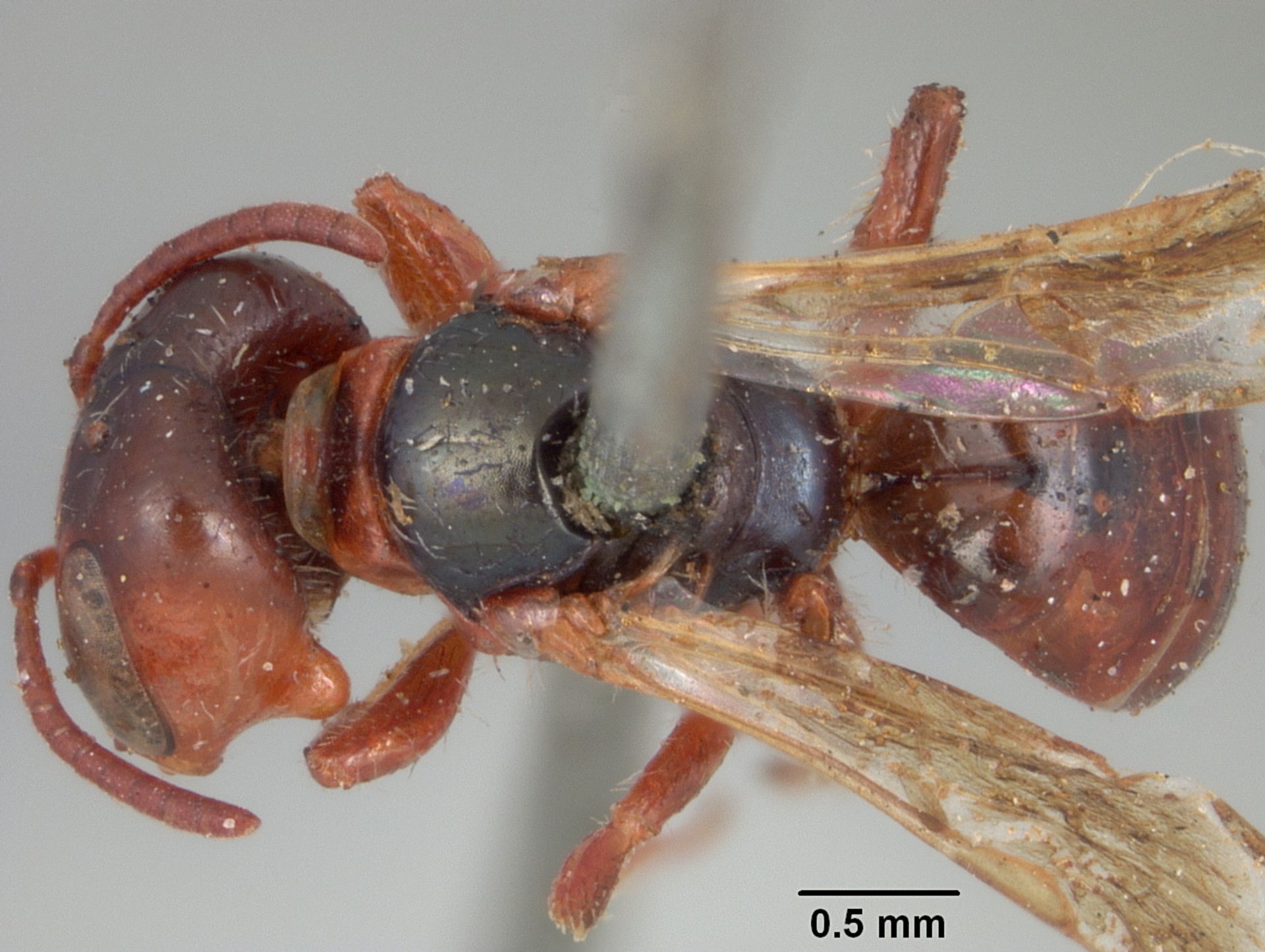
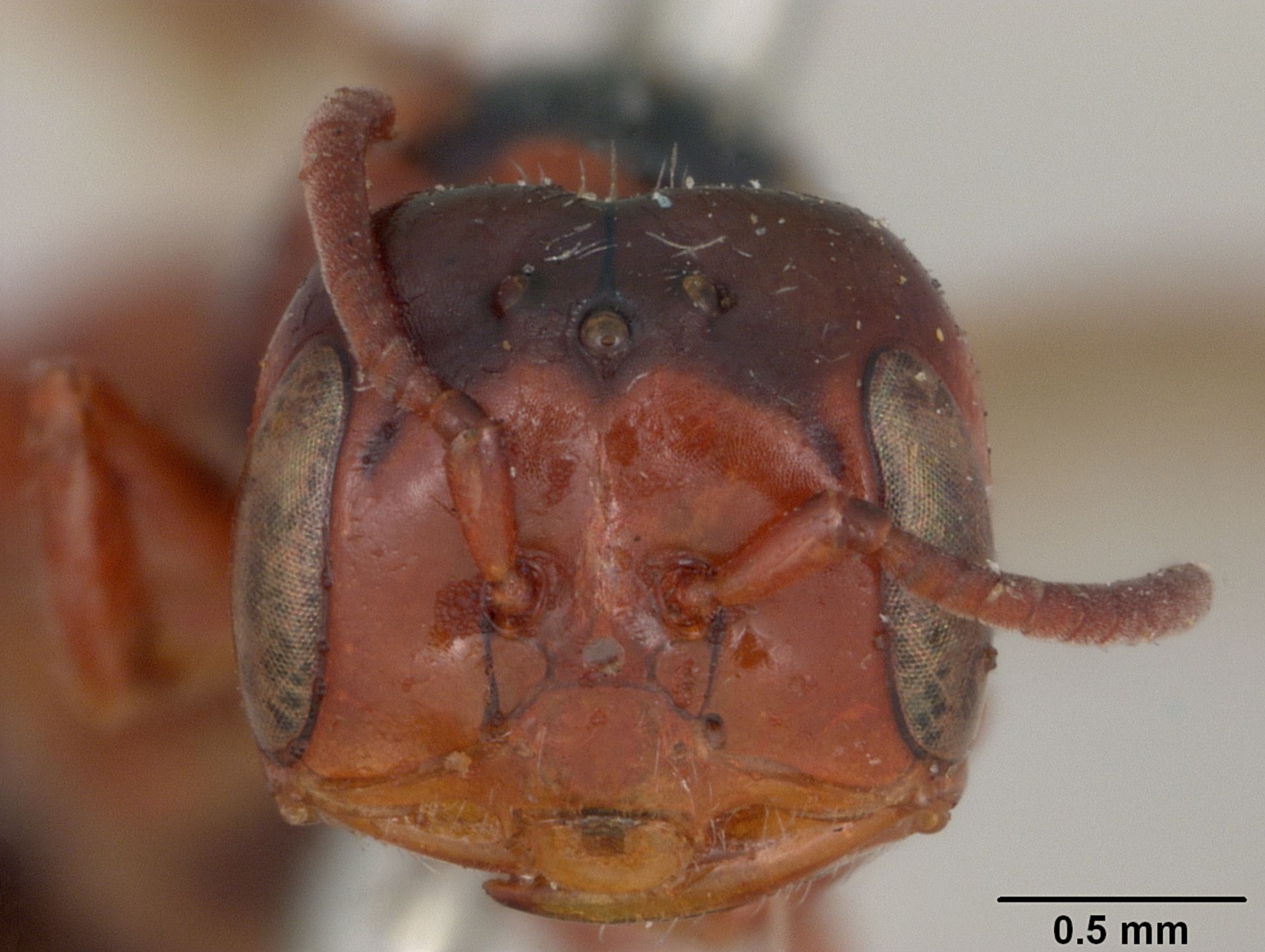
2Perdita koebelei is a of mining bee in the Andrenidae, described by P.H. Timberlake in 1964. It is a small, solitary native to North America. Like other members of the Perdita, it is likely a , though specific plant associations have not been documented for this species. The species is named in honor of the entomologist H. Koebele.
Pronunciation
How to pronounce Perdita koebelei: //pɛrˈdiːtə koʊˈɛbɛlaɪ//
These audio files are automatically generated. While they are not always 100% accurate, they are a good starting point.
Identification
Perdita koebelei can be distinguished from other Perdita by genitalic characters and subtle morphological features described in Timberlake's original description. Members of the Perdita are generally small bees, often with metallic coloration and reduced wing venation. Identification to species level typically requires examination of male genitalia and other microscopic characters.
Images
Distribution
North America. Specific range details beyond continental distribution are not documented in available sources.
Life Cycle
As a member of the Andrenidae, Perdita koebelei likely has a solitary with females constructing individual nests in soil, provisioning with pollen and nectar, and laying that develop through complete . However, specific details for this are not documented.
Ecological Role
As a solitary , Perdita koebelei likely functions as a of native flowering plants, contributing to function and plant in its native range.
Similar Taxa
- Other Perdita speciesMembers of the Perdita are morphologically similar small mining bees, often requiring genitalic examination for definitive identification. Perdita koebelei is distinguished by specific characters in the original description.
More Details
Etymology
The specific epithet 'koebele' honors H. Koebele, an entomologist associated with early work in Hawaii and California.
Type material
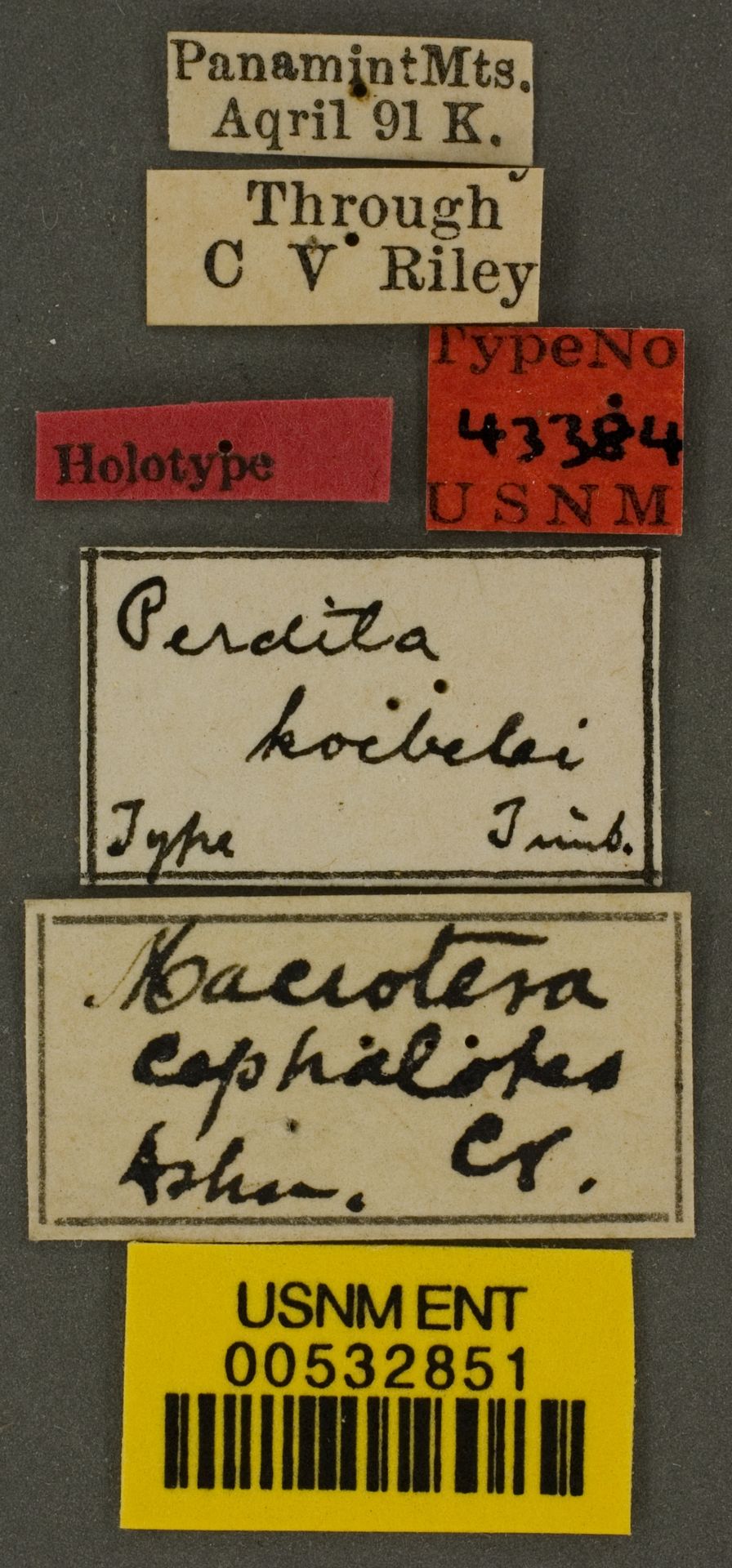
The was described by P.H. Timberlake in 1964. Timberlake was a prolific hymenopterist who described numerous species, particularly in the Perdita, after shifting his focus from parasitic to bee .
Sources and further reading
- BugGuide
- Wikipedia
- GBIF taxonomy match
- iNaturalist taxon
- Catalogue of Life
- Primary Type List | Entomology Research Museum
- You, Too, Can Plant a Pollinator Garden | Bug Squad
- 'Am I Even a Bee?' Identity Crisis Unfolds in This Charming Book | Bug Squad
- Encyrtid Holdings | Entomology Research Museum
- Researchers Develop Genome Map for Mojave Poppy Bee
- Bug Eric: World Bee Day....A Little "Bee"hind