
Melaphis
Walsh, 1867
staghorn sumac aphid
Species Guides
2- Melaphis asafitchi
- Melaphis rhois(Staghorn sumac aphid)
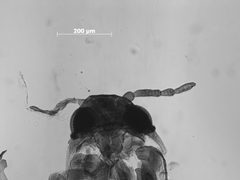
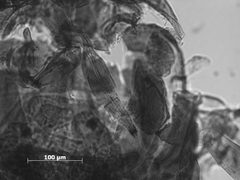
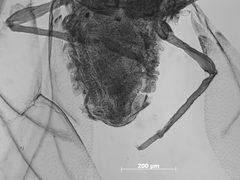
Melaphis is a of woolly aphids in the Aphididae, subtribe Melaphidina. The genus contains at least three cryptic in North America: Melaphis rhois (the staghorn sumac ), Melaphis asafitchi, and Melaphis minuta. These aphids are notable for inducing galls on sumac and exhibiting ovoviviparity in sexual females.
Pronunciation
How to pronounce Melaphis: //məˈlæfɪs//
These audio files are automatically generated. While they are not always 100% accurate, they are a good starting point.
Identification
Distinguishing among within Melaphis requires molecular and morphometric analysis; the three recognized species (M. rhois, M. asafitchi, M. minuta) are cryptic and sympatric. The can be recognized by its woolly appearance and gall-forming habit on sumac.
Images
Habitat
Associated with sumac (Rhus) and moss as alternate . Sexual females migrate to sumac in spring, where offspring induce galls.
Distribution
North America; records include Ontario and Quebec in Canada, and Vermont and other parts of the United States.
Seasonality
Spring to sumac occurs when sexual females produce offspring that establish galls.
Diet
Phloem-feeding on sumac (Rhus) and moss as alternate .
Host Associations
- Rhus - primary sumac; galls induced on this
- moss - alternate secondary in
Life Cycle
Complex involving alternation between sumac and moss . Sexual females are , each producing a single offspring that migrates to sumac and induces a gall. Within the gall, the proliferates clonally. The exhibits cyclic .
Behavior
Sexual females exhibit ovoviviparity, a relatively unusual trait among aphids. Gall induction on sumac triggers localized clonal proliferation within the protective gall structure.
Ecological Role
Gall formation on sumac creates specialized microhabitats. Low genetic diversity and restricted among suggest limited and localized ecological impact.
Similar Taxa
- SchlechtendaliaBoth belong to subtribe Melaphidina and share gall-forming habits on sumac; molecular analysis is required for differentiation.
Misconceptions
Melaphis rhois was long considered the sole North American representative of Melaphidina; molecular studies revealed at least three cryptic sympatric . The name Melaphis minuta cannot be definitively assigned to either M. rhois or M. asafitchi.