
Hyalomyzus
Richards, 1958
Species Guides
1Hyalomyzus is a of aphids in the Aphididae, tribe Macrosiphini. It was established by Richards in 1958. The genus is characterized by distinctive morphological features including a heavily sclerotized body with prominent wax glands. It is rarely encountered, with only two observations recorded on iNaturalist, suggesting it may be uncommon, geographically restricted, or difficult to detect.
Pronunciation
How to pronounce Hyalomyzus: /haɪəloʊˈmaɪzəs/
These audio files are automatically generated. While they are not always 100% accurate, they are a good starting point.
Identification
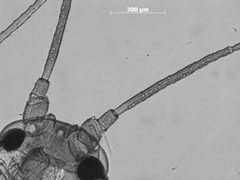
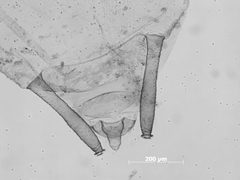
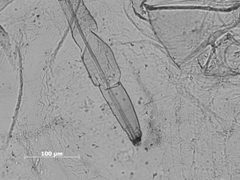
Distinguished from other Macrosiphini by the combination of heavily sclerotized body and prominent, well-developed wax glands that produce a conspicuous waxy coating. The name 'Hyalomyzus' (from Greek 'hyalos' meaning glass) references this glassy, waxy appearance. Similar genera in Macrosiphini generally lack such pronounced and wax gland development.
Images
Habitat
Specific plants and preferences are poorly documented. As a member of Macrosiphini, likely occur on herbaceous plants or woody shrubs, but definitive records are sparse.
Distribution
Exact geographic range is poorly documented. The has been recorded in North America based on type material and limited collection records. Distribution likely reflects both true rarity and under-sampling due to cryptic habits.
Ecological Role
As aphids, members presumably function as phloem-feeding herbivores and potential of plant viruses, though specific ecological impacts are undocumented.
Similar Taxa
- Other Macrosiphini generaHyalomyzus is distinguished by its heavily sclerotized body and prominent wax glands; most related lack this combination of features and have softer, less waxy bodies.
- Wax-secreting aphids in EriosomatinaeSome woolly aphids also produce wax, but they belong to a different (Eriosomatinae) and typically form galls or have different body plans; Hyalomyzus is in Aphidinae and lacks gall-forming associations.
More Details
Taxonomic history
The was established by A.G. Richards in 1958. It remains poorly studied, with few described and limited subsequent taxonomic revision.
Detection difficulty
The waxy secretions that characterize this may serve as camouflage or protection, potentially making specimens difficult to detect and contributing to its apparent rarity in collections.