
Capitophorus shepherdiae
Gillette & Bragg, 1916
Buffaloberry Oleaster Aphid
Capitophorus shepherdiae is a of in the Aphididae, described by Gillette & Bragg in 1916. It is commonly known as the Buffaloberry Oleaster Aphid, reflecting its association with plants in the Shepherdia (buffaloberry/oleaster). The species belongs to the genus Capitophorus, which comprises aphids often characterized by tuberculate and specific plant relationships.
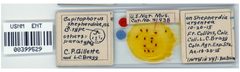
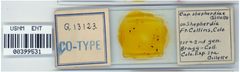
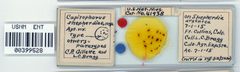
Pronunciation
How to pronounce Capitophorus shepherdiae: /ˌkæpɪˈtɒfərəs ˌʃɛpərˈdiːaɪ/
These audio files are automatically generated. While they are not always 100% accurate, they are a good starting point.
Identification
Members of the Capitophorus are distinguished by a tuberculate bearing distinct and lateral frontal . C. shepherdiae may be differentiated from by association with Shepherdia and subtle morphological features of the siphunculi and cauda, though specific diagnostic characters require examination.
Images
Distribution
North America; records indicate presence in regions where plants of the Shepherdia occur, including western and central United States and Canada.
Diet
Feeds on plants in the Shepherdia (Elaeagnaceae), commonly known as buffaloberry or oleaster.
Host Associations
- Shepherdia - primary of flowering plants in Elaeagnaceae; includes silver buffaloberry (S. argentea) and russet buffaloberry (S. canadensis).
Similar Taxa
- Capitophorus elaeagniAlso associated with Elaeagnaceae; may overlap in range and requires careful morphological comparison of siphunculi and abdominal structures.
- Capitophorus hippophaes with similar tuberculate ; distinguished by preference for Hippophae (sea buckthorn) rather than Shepherdia.
More Details
Etymology
The specific epithet 'shepherdiae' derives from the plant Shepherdia, indicating the close taxonomic and ecological relationship between this and its primary host plants.
Taxonomic history
Described by American entomologists C.P. Gillette and D.E. Bragg in 1916, this has remained relatively obscure with limited published research beyond original description and records.