
Perigenes similis
Barber, 1906
dirt-colored seed bug
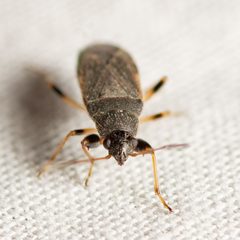
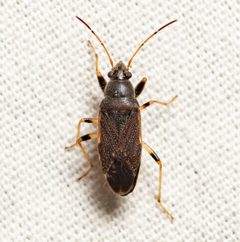
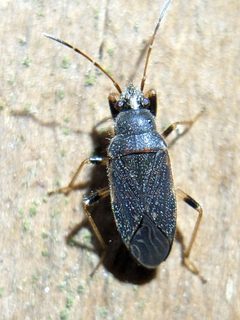
Perigenes similis is a of dirt-colored seed bug in the Rhyparochromidae, first described by Barber in 1906. It belongs to the true bugs (Hemiptera) and is characterized by its dull, earth-toned coloration typical of the group. The species has been documented in Florida with specific notes on its habits and , though detailed biological information remains limited.
Pronunciation
How to pronounce Perigenes similis: /ˌpɛrɪˈdʒiːniːz ˈsɪmɪlɪs/
These audio files are automatically generated. While they are not always 100% accurate, they are a good starting point.
Identification
Identification to level requires examination of genitalic structures and other subtle morphological characters typical of Rhyparochromidae. The species can be distinguished from other Perigenes species through detailed morphological analysis, though specific diagnostic characters are not summarized in available literature. Reference to original description (Barber 1906) and taxonomic revisions of the would be necessary for accurate identification.
Images
Appearance
As a member of the dirt-colored seed bugs, P. similis exhibits the characteristic dull, earth-toned coloration typical of Rhyparochromidae. Specific morphological details such as body size, color patterns, and diagnostic features distinguishing it from are not documented in available sources.
Habitat
Documented in Florida with specific notes on habits and , though the exact habitat preferences described in the primary literature (Florida Entomologist article) are not accessible from the abstract alone. As a member of Myodochini, it likely occurs in ground-level vegetation and litter habitats typical of the tribe.
Distribution
North America; specifically documented in Florida, USA. GBIF records indicate presence in the United States based on Slater (1964).
More Details
Taxonomic History
Described by Barber in 1906. The has been subject to limited modern study, with the most detailed account being a 1990s Florida Entomologist article on its habits and that is not fully accessible.
Data Limitations
Most available information comes from taxonomic databases and brief mentions. The primary source documenting Florida (Hemiptera: Lygaeoidea: Rhyparochromidae in Florida: Notes on Habits and ) was not fully accessed, limiting detailed biological knowledge.
Sources and further reading
- BugGuide
- Wikipedia
- GBIF taxonomy match
- iNaturalist taxon
- Catalogue of Life
- Encyrtid Holdings | Entomology Research Museum
- Bug Eric: A Jumping Spider, Tutelina similis
- Study Shows American Dog Ticks in Western U.S. Are a Separate Species
- new species | Blog - Part 3
- Perigenes similis (Hemiptera: Lygaeoidea: Rhyparochromidae) in Florida: Notes on Habits and Habitats