
Trapezonotus arenarius
(Linnaeus, 1758)
dune groundbug
Trapezonotus arenarius is a of dirt-colored seed bug in the Rhyparochromidae. It has a broad distribution spanning Africa, Europe and Northern Asia (excluding China), North America, and Southern Asia. The species was first described by Linnaeus in 1758. Two have been recognized: the nominate T. a. arenarius and T. a. elengantulus described by Kiritshenko and Scudder in 1973.
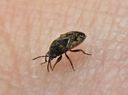
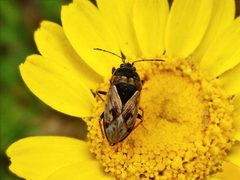
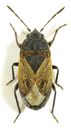
Pronunciation
How to pronounce Trapezonotus arenarius: /træˌpɛzoʊˈnoʊtəs ˌærəˈnɛriəs/
These audio files are automatically generated. While they are not always 100% accurate, they are a good starting point.
Images
Habitat
The "dune groundbug" suggests association with sandy or dune , though specific habitat requirements are not well documented in available sources.
Distribution
Africa; Europe and Northern Asia (excluding China); North America; Southern Asia. Specific country records include Belgium.
More Details
Subspecies
Two are recognized: Trapezonotus arenarius arenarius (Linnaeus, 1758) and Trapezonotus arenarius elengantulus (Kiritshenko & Scudder, 1973). The nominate subspecies is now treated as a synonym in some taxonomic databases.
Taxonomic notes
The belongs to the tribe Gonianotini within Rhyparochrominae. GBIF records indicate the species is present in Belgium, suggesting established in Western Europe.