
Appolonius
Distant, 1901
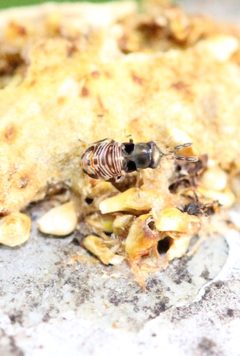
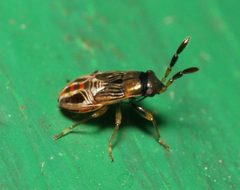
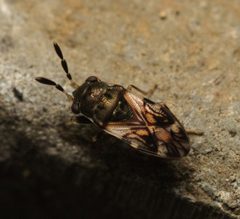
Appolonius is a of seed bugs in the Rhyparochromidae, tribe Drymini, described by Distant in 1901. The genus contains approximately 12 described distributed across the Indomalaya and Oceania biogeographic regions. Members of this genus are true bugs (Hemiptera: Heteroptera) belonging to the lineage, characterized by their association with seeds as a food source. The genus is part of the diverse lygaeoid complex within the Pentatomomorpha.
Pronunciation
How to pronounce Appolonius: /ˌæpəˈloʊniəs/
These audio files are automatically generated. While they are not always 100% accurate, they are a good starting point.
Identification
Appolonius can be distinguished from other Drymini by genitalic characters and detailed external , though specific diagnostic features require examination. As members of Rhyparochromidae, they possess the -typical ovoid body form and hemelytral structure with distinct and membranous portions. Accurate identification to species level typically requires examination of male genitalia and comparison with .
Images
Distribution
Indomalaya and Oceania biogeographic regions. Specific countries and island distributions within these regions are documented for individual but not comprehensively summarized for the as a whole.
Similar Taxa
- Other Drymini generaShare tribal characteristics including general body plan and seed-feeding ; distinguished by genitalic and subtle external morphological differences
- Other Rhyparochromidae genera members share the ovoid body form and hemelytral structure; separated by tribal and generic-level characters
More Details
Taxonomic note
The name is sometimes misspelled as 'Apollonius' in informal contexts, but the correct spelling following Distant (1901) is Appolonius. The name derives from classical Greek usage related to the god Apollo, though this etymology has no biological significance for the genus.