
Oncopeltus sexmaculatus
Stål, 1874
six-spotted milkweed bug
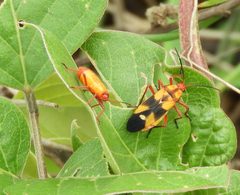
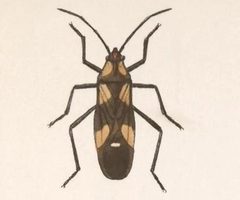
Oncopeltus sexmaculatus, commonly known as the six-spotted milkweed , is a in the Lygaeidae. The is distributed across islands in the Caribbean Sea, Central America, and North America. Like other members of the Oncopeltus, it is associated with milkweed plants. The specific epithet 'sexmaculatus' refers to six spots, likely describing a distinctive color pattern on the body.
Pronunciation
How to pronounce Oncopeltus sexmaculatus: /ɒŋkəˈpɛltəs sɛksˌmækjʊˈleɪtəs/
These audio files are automatically generated. While they are not always 100% accurate, they are a good starting point.
Images
Distribution
Found on islands in the Caribbean Sea, Central America, and North America. Specific localities include Cuba, Jamaica, Guatemala, Honduras, Isle of Pines, Mexico, and the USA.
Host Associations
- Asclepias - associationMilkweed bugs in the Oncopeltus are strongly associated with milkweed plants (Asclepias), though specific records for O. sexmaculatus require confirmation
Similar Taxa
- Oncopeltus fasciatus; similar orange and black coloration and milkweed association, but O. sexmaculatus has six spots rather than the broad transverse bands of O. fasciatus
More Details
Taxonomic Note
Catalogue of Life lists this as an 'ambiguous synonym', suggesting taxonomic uncertainty or potential confusion with related that requires further investigation
Sources and further reading
- BugGuide
- Wikipedia
- GBIF taxonomy match
- iNaturalist taxon
- Catalogue of Life
- A Unique Connection and a Living Legacy | Bug Squad
- What do insects do in winter? Migrants in the DMV: Common Buckeye, Junonia coenia, Variegated Fritillary, Euptoieta Claudia, Painted Lady, Vanessa cardui, Large Milkweed bug, Oncopeltus fasciatus — Bug of the Week
- Bugs in Orange and Black: Monarch Butterfly, Milkweed Leaf Beetle, Milkweed Bug, and Milkweed Tiger Moth — Bug of the Week
- Bugs in Orange and Black II: Large milkweed bug, Oncopeltus fasciatus — Bug of the Week
- Orange and Black II: Milkweed leaf beetle, Labidomera clivicollis; Oleander aphid, Aphis nerii; Milkweed Bug, Oncopeltus fasciatus; Monarch, Danaus plexippus — Bug of the Week
- Bugs in orange and black - Monarch butterfly, Danaus plexippus Milkweed Bug - Oncopeltus fasciatus; Milkweed tiger moth, Euchaetes egle — Bug of the Week