
Heterogaster
Schilling, 1829
Nettle Ground Bug (for H. urticae)
Species Guides
3- Heterogaster behrensii
- Heterogaster flavicosta
- Heterogaster urticae(nettle ground bug)
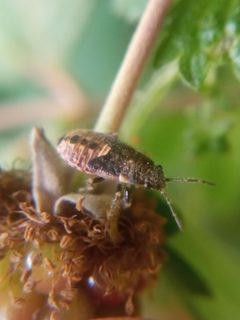
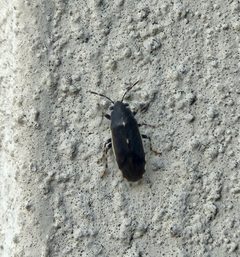
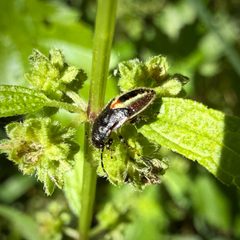
Heterogaster is a of seed bugs in the Heterogastridae, comprising approximately 11 . Nine species occur in the Old World, and two in the New World. The genus includes H. urticae, commonly known as the Nettle Ground . Species in this genus have been subjects of taxonomic revision to distinguish Nearctic and Palearctic representatives.
Pronunciation
How to pronounce Heterogaster: //ˌhɛtəroʊˈɡæstər//
These audio files are automatically generated. While they are not always 100% accurate, they are a good starting point.
Identification
Heterogaster behrensii can be distinguished from the Palearctic H. urticae by specific morphological characters, though the exact diagnostic features were not detailed in available source material. The is placed in Heterogastridae based on lygaeoid morphological characteristics.
Images
Distribution
The has a disjunct distribution: nine in the Old World (Palearctic) and two species in the New World (Nearctic). Distribution records exist for Denmark, Norway, and Sweden based on GBIF data. H. urticae is Palearctic; H. behrensii occurs in North America with expanded distribution records reported.
Similar Taxa
- Heterogaster urticaeH. behrensii is specifically distinguished from this Palearctic in taxonomic literature; both were historically confused or compared due to morphological similarity
More Details
Species diversity
The contains approximately 11 described . H. urticae (Fabricius, 1775) is the type species and has the Nettle Ground .
Taxonomic history
The placement has been refined; Heterogaster was historically treated within broader Lygaeidae concepts but is now placed in Heterogastridae (Lygaeoidea).