
Holcocranum
Fieber, 1860
Species Guides
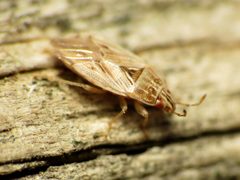
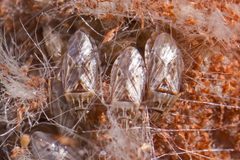
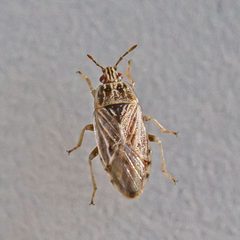
1Holcocranum is a of true bugs in the Artheneidae, established by Fieber in 1860. The genus contains at least two described : Holcocranum diminutum and Holcocranum saturejae. These small lygaeoid are part of the diverse within the Pentatomomorpha infraorder. The genus has been documented through 155 observations on iNaturalist, indicating moderate but growing recognition among naturalists.
Pronunciation
How to pronounce Holcocranum: /hɔlkoʊˈkrænəm/
These audio files are automatically generated. While they are not always 100% accurate, they are a good starting point.
Identification
Holcocranum are small, delicate true bugs in the Artheneidae. They can be distinguished from related by their placement within Artheneinae, though specific diagnostic features for the genus require examination of genitalia and wing venation patterns. The two described species, H. diminutum and H. saturejae, may be separated by subtle differences in body proportions and coloration, though these require determination.
Images
Distribution
The has been documented across multiple regions, with H. saturejae described from European material and H. diminutum described by Horváth from specimens likely of Palearctic origin. Records on iNaturalist suggest a broader distribution than formally documented, though precise range boundaries for the genus remain undefined.
Similar Taxa
- Other Artheneidae generaHolcocranum shares the small, delicate body form and reduced openings characteristic of Artheneidae, requiring careful examination of male genitalia and wing structure for definitive identification.
- Lygaeidae sensu latoFormerly classified within broader Lygaeidae, Holcocranum and other Artheneidae were separated based on molecular and morphological data; they retain superficial similarity to small lygaeid seed bugs.
More Details
Taxonomic History
Holcocranum was established by Fieber in 1860 and has remained a valid through multiple revisions of Lygaeoidea. The Artheneidae, to which it belongs, was elevated from status based on phylogenetic studies, reflecting modern understanding of relationships within Pentatomomorpha.