Gelastocoris rotundatus
Champion, 1901
toad bug
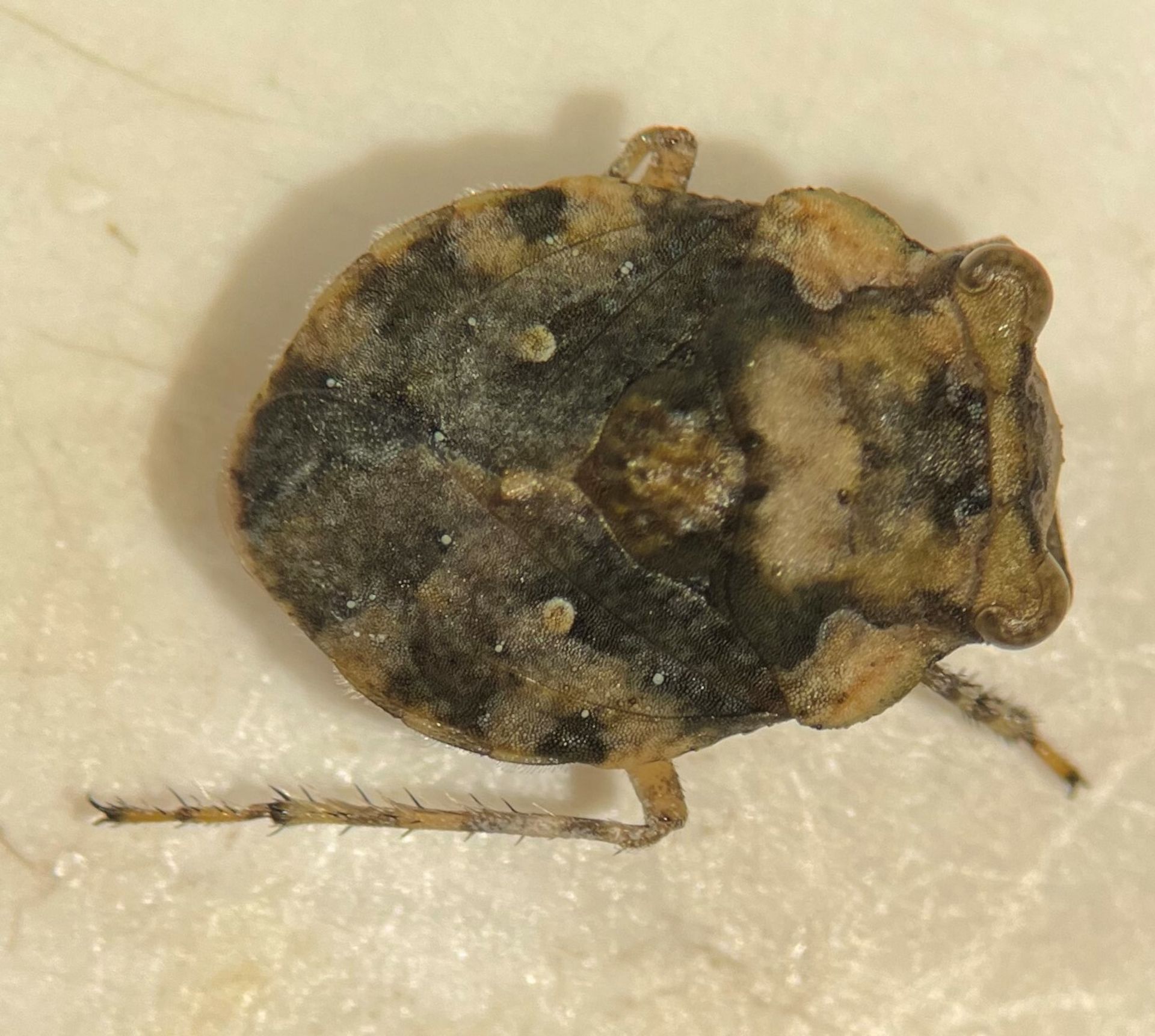
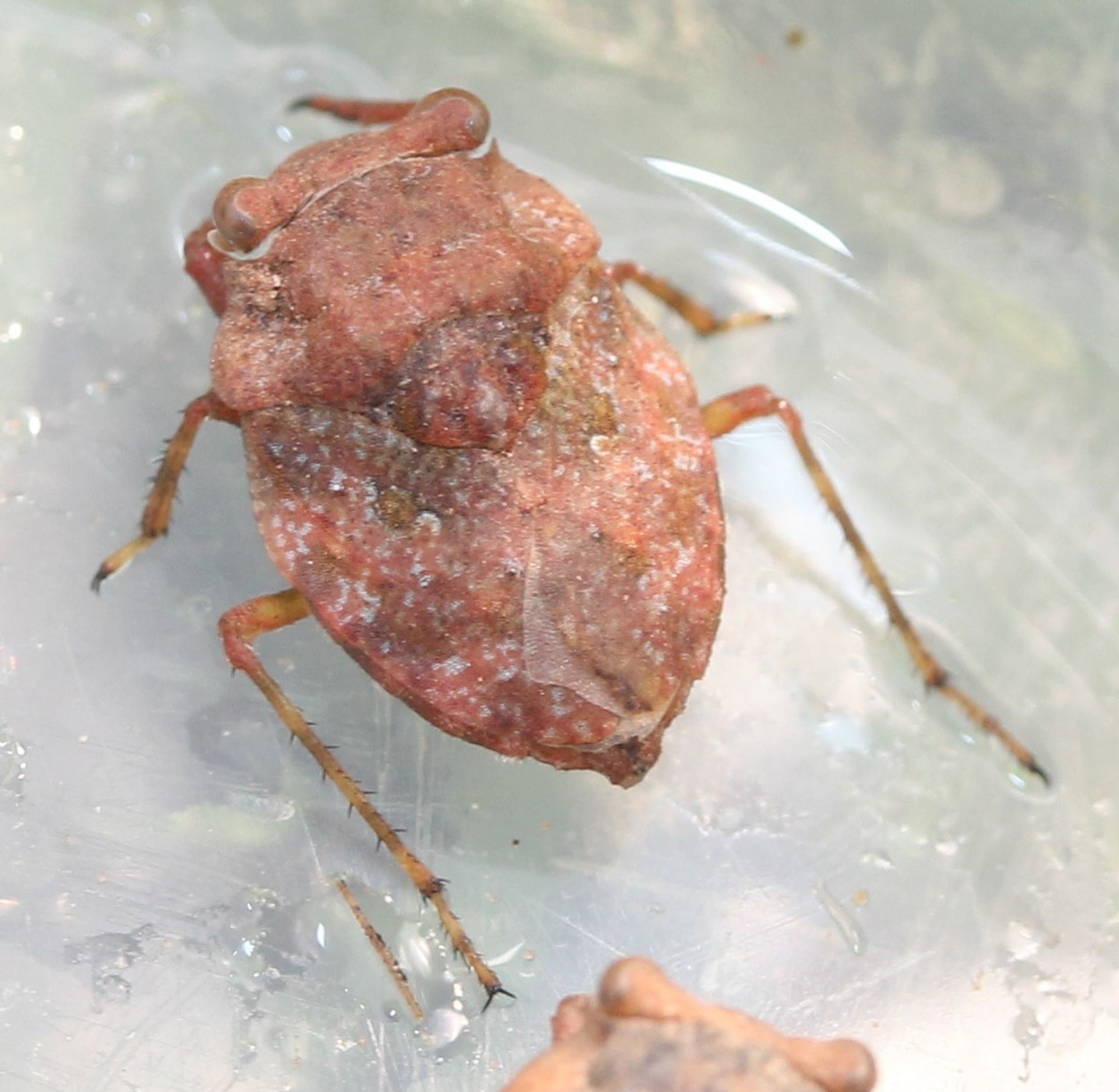
Gelastocoris rotundatus is a of toad bug in the Gelastocoridae, first described by Champion in 1901. It is one of two Gelastocoris species known from North America, where it occurs in the southwestern United States and southward through Central America. Like other toad bugs, it is a associated with aquatic margins.
Pronunciation
How to pronounce Gelastocoris rotundatus: //dʒiːˌlæstɪˈkɔːrɪs roʊˈtʌndətəs//
These audio files are automatically generated. While they are not always 100% accurate, they are a good starting point.
Identification
Gelastocoris rotundatus can be distinguished from the sympatric G. oculatus by its more restricted southwestern distribution in North America. The two share the characteristic of enlarged, forelegs adapted for seizing prey. Specific diagnostic morphological features separating the two North American species are not detailed in available sources.
Images
Habitat
Associated with margins of water bodies, including intermittent creeks and streams. The occupies riparian zones where it can blend with substrates such as rocks and soil.
Distribution
Southwestern United States (restricted to this region in North America) and Central America. GBIF records indicate presence in Middle America and North America.
Diet
Predatory. Like other Gelastocoridae, feeds on small prey captured with forelegs.
Behavior
Exhibits cryptic coloration that provides effective camouflage against rocky and soil substrates. When disturbed, may remain motionless or move short distances rather than taking .
Ecological Role
in riparian and shoreline , contributing to regulation of small in aquatic margin .
Human Relevance
Occasional subject of macrophotography due to its cryptic appearance and unusual body form. No known economic significance.
Similar Taxa
- Gelastocoris oculatusThe only other Gelastocoris in North America; distinguished by broader continental distribution (occurring throughout North America) versus the southwestern restriction of G. rotundatus
- Other Gelastocoridae members share the characteristic enlarged forelegs and toad-like body form, though -level identification requires examination of specific morphological details
More Details
Etymology
The name Gelastocoridae derives from Greek 'gelastos' (laughable) + 'koris' (), referring to the odd, toad-like appearance of these insects.