
Barce
Stål, 1866
Species Guides
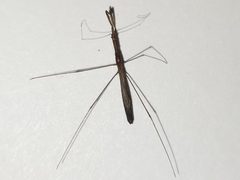
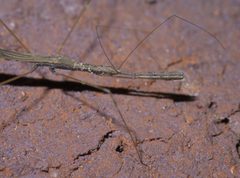
5Barce is a of thread-legged bugs in the Reduviidae, Emesinae, tribe Metapterini. The genus was established by Stål in 1866 and contains approximately 10 described . These predatory true bugs are characterized by their elongated, slender legs adapted for capturing prey on vegetation.
Pronunciation
How to pronounce Barce: //ˈbɑːrseɪ//
These audio files are automatically generated. While they are not always 100% accurate, they are a good starting point.
Identification
Distinguished from other Emesinae by combination of tribal characters of Metapterini and genus-specific morphological features; precise identification to level requires examination of male genitalia and other detailed morphological characters.
Images
Habitat
Associated with vegetation where they can utilize their elongated legs for hunting; specific microhabitat preferences vary by .
Distribution
Distribution varies by ; the occurs across multiple regions but precise range boundaries for the genus as a whole are not well documented in available sources.
Diet
Predatory; feeds on other small arthropods captured using forelegs.
Behavior
Ambush that uses elongated legs to grasp prey while perching on stems and leaves; hunting strategy typical of thread-legged bugs in Emesinae.
Ecological Role
in , contributing to of small insects and other arthropods in vegetation-dwelling communities.
Human Relevance
No documented direct economic or medical significance; contributes to natural of pest arthropods.
Similar Taxa
- Other Emesinae generaShare thread-legged ; distinguished by tribal and generic characters including details of leg structure, body proportions, and male genitalia.
- Other Metapterini generaWithin the same tribe; require detailed morphological examination for separation.
More Details
Taxonomic History
The was established by Carl Stål in 1866 and has remained in the tribe Metapterini of Emesinae. The approximately 10 described indicate this is a relatively small genus within the diverse thread-legged bug fauna.
Research Gaps
Detailed -level , including precise associations, geographic ranges, and data, remain poorly documented for most species in this .