
Ploiaria
Scopoli, 1786
thread-legged bugs
Species Guides
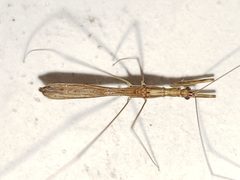
7Ploiaria is a of thread-legged assassin bugs (Reduviidae: Emesinae) comprising approximately 130 described . Members are characterized by extremely slender, elongated bodies and legs. The genus exhibits remarkable variation in wing development, with species displaying macroptery, brachyptery, or complete aptery. Several species are , including P. domestica, which has adapted to human dwellings.
Pronunciation
How to pronounce Ploiaria: //plɔɪˈæriə//
These audio files are automatically generated. While they are not always 100% accurate, they are a good starting point.
Identification
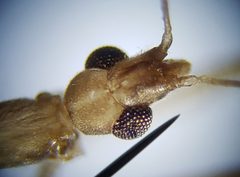
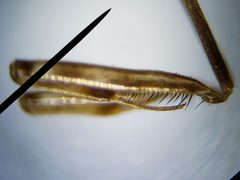
Distinguished from other Emesinae by the combination of: lacking spine-like setae; prosternal margin emarginated medially; posterior pronotal lobe abbreviated, covering only the extreme base of the ; absence of spines on scutellum and ; profemora without the process bearing several spine-like setae found in some related genera; and three-segmented protarsi. The variable wing condition within can complicate identification.
Images
Habitat
Occupies diverse environments from tropical forests to deserts and oceanic islands. Microhabitats include arboreal situations (trees, epiphytes), ground-level substrates (leaf litter, under stones), and cryptic spaces (under bark). Some have colonized human-made structures; P. chilensis and P. domestica are documented synanthropes. Oceanic island presumably established through rafting on floating vegetation.
Distribution
distribution spanning tropical, subtropical, and temperate regions worldwide. Present on oceanic islands. Individual have more restricted ranges; for example, P. anak occurs in the Pune District of India.
Diet
Predatory. Documented prey includes Phlebotomus sand flies, mosquitoes (Culicidae), and planthoppers (Fulgoroidea).
Ecological Role
in terrestrial , contributing to of small flying and jumping insects. Arboreal and ground-dwelling occupy different trophic positions within stratified structures.
Human Relevance
P. domestica and P. chilensis are , occurring in human dwellings. Potential as agents of pest flies and planthoppers, though not documented as commercially utilized.
Similar Taxa
- Other Emesinae generaShare thread-legged but differ in prosternal structure, pronotal lobe extent, and profemoral armature
- Berytidae (stilt bugs)Superficially similar elongated legs and slender bodies, but distinguished by different structure, placement, and lack of forelegs
More Details
Wing polymorphism
The exhibits exceptional intraspecific and interspecific variation in wing development, including macroptery, brachyptery, and aptery. This likely reflects to island and stability.