
Stephanitis rhododendri
Horváth, 1905
Rhododendron Lace Bug
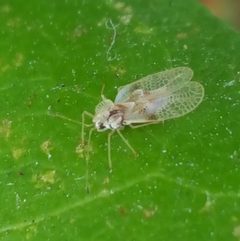
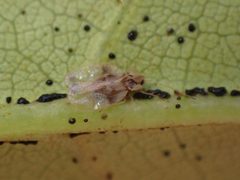
Stephanitis rhododendri is a of lace bug in the Tingidae, commonly known as the rhododendron lace bug. Like other lace bugs, it is a sap-sucking insect that feeds on plant using a piercing-sucking beak. The species has been documented across multiple continents including Africa, Australia, Europe, Northern Asia (excluding China), and North America. It is associated with rhododendron , though specific details of its remain less documented than related species such as Stephanitis pyrioides.
Pronunciation
How to pronounce Stephanitis rhododendri: //ˌstɛfəˈnaɪtɪs ˌroʊdəˈdɛndraɪ//
These audio files are automatically generated. While they are not always 100% accurate, they are a good starting point.
Identification
Stephanitis rhododendri can be distinguished from other lace bugs by its association with rhododendron and its documented geographic distribution. Within the Stephanitis, it differs from the azalea lace bug (S. pyrioides) and andromeda lace bug (S. takeyai) by host preference. Members of the genus Stephanitis typically exhibit the characteristic reticulated, lace-like pattern on the pronotum and forewings that gives the Tingidae its . Specific morphological diagnostic features for S. rhododendri require direct examination of specimens.
Images
Habitat
Associated with rhododendron plants, suggesting occurrence in woodland, garden, and landscaped environments where rhododendrons are cultivated or occur naturally.
Distribution
Documented from Africa, Australia, Europe and Northern Asia (excluding China), and North America. The broad intercontinental distribution suggests either widespread native range or human-mediated introduction to multiple regions.
Diet
Feeds on rhododendron plants, using to extract contents. This feeding results in characteristic stippling damage—removal of chlorophyll causing leaf tissue to turn white or pale.
Host Associations
- Rhododendron - Specific rhododendron not documented in available sources
Ecological Role
As a phytophagous insect, S. rhododendri functions as a herbivore in plant . Its feeding activity contributes to nutrient cycling through plant tissue damage, though it is not known to be a or major engineer.
Human Relevance
Likely functions as a pest of ornamental rhododendrons in gardens and landscapes, similar to related lace bug . Damage would include stippled, bleached, or whitened leaves resulting from chlorophyll removal during feeding. Management would follow protocols established for other rhododendron and azalea lace bugs, including monitoring undersides of leaves for the insects and their tar-like fecal spots.
Similar Taxa
- Stephanitis pyrioidesAzalea lace bug, closely related with similar and but specialized on azalea (Rhododendron subgenus Azaleastrum) rather than rhododendron ; also differs in distribution being primarily established in eastern North America as an pest from Asia
- Stephanitis takeyaiAndromeda lace bug, introduced from Asia in 1945, feeds on Pieris andromeda and related Ericaceae rather than rhododendron; similar lace-like appearance but association distinguishes it
- Corythucha cydoniaeHawthorn lace bug, native North American in related , feeds on hawthorn, serviceberry, and cotoneaster; can be distinguished by plant and subtle morphological differences in pronotal and wing reticulation
More Details
Taxonomic note
The was described by Hungarian entomologist Géza Horváth in 1905. The specific epithet 'rhododendri' directly references its association with the Rhododendron, indicating early recognition of this relationship.