
Leptoypha drakei
Mc Atee, 1919

Pronunciation
How to pronounce Leptoypha drakei: /lɛpˈtɔɪfə ˈdreɪki/
These audio files are automatically generated. While they are not always 100% accurate, they are a good starting point.
Identification
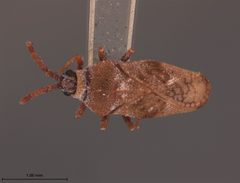
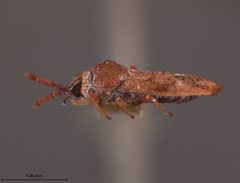
Distinguished from other Leptoypha by subtle differences in the structure and arrangement of areolae on the pronotum and . Accurate identification requires examination of male genitalia and comparison with . Separation from Leptoypha mutica and other in the southwestern United States may require taxonomic expertise.
Images
Habitat
Specific associations are poorly documented. Related Leptoypha are associated with woody vegetation, suggesting shrubland or woodland habitats in arid and semi-arid regions.
Distribution
Documented from Arizona (AR), California (CA), and Texas (TX) in the United States, with records indicating presence in Mexico. The distribution aligns with the Sonoran and Chihuahuan Desert regions.
Similar Taxa
- Leptoypha muticaOverlaps in distribution in the southwestern United States; distinguished by differences in pronotal and hemelytral areolation patterns.
- Corythucha speciesOther lace bugs with similar lace-like appearance; distinguished by -level differences in pronotal structure and areolation .
More Details
Taxonomic Note
The Leptoypha was established by Stål and contains North American characterized by reduced areolation on the pronotum compared to some other tingid genera. Leptoypha drakei is one of the less frequently collected species in the genus, contributing to limited ecological data.